Gráfico personalizado
Introduce edad y peso para ver la trayectoria de crecimiento de tu perro.
¿Cuánto crecerá mi Galgo inglés? Estima el peso adulto y sigue el desarrollo de tu cachorro.
Elegimos estas categorías para el día a día: descanso, paseos más cómodos, comidas sin líos y un hogar que encaje con tu situación. En cada hueco priorizamos artículos muy valorados que tienen sentido con la talla y la etapa de tu perro.
Transportines amplios
Camas cómodas
Arneses listos para salir
Comederos anti-glutonismo
Greyhound puppies are 45 mph couch potatoes in training. Your growth chart belongs with soft-surface exercise, never-trust-off-leash realism, and training that builds recall before squirrel season.
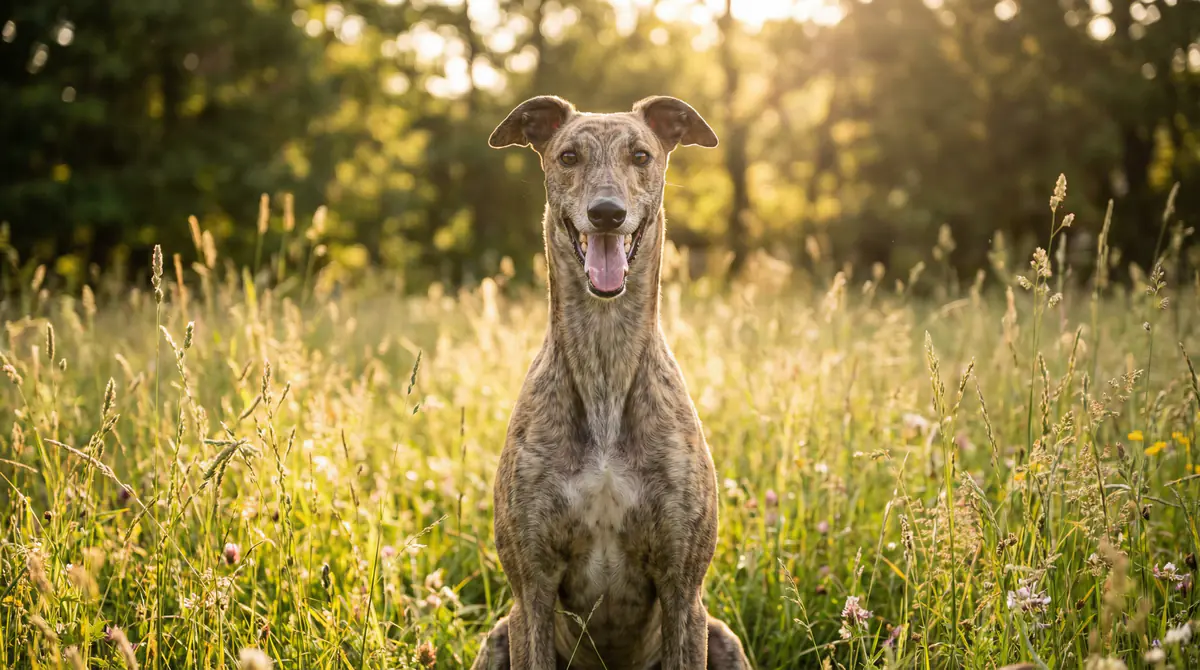
Growing Greyhounds often look lean and leggy; your vet confirms healthy condition, not internet opinions.
Muscle arrives on its own schedule; compare trends over weeks.
Weight can climb when sprint outlets drop but bowls stay full.
Rib visibility can be normal on some individuals; waist and muscle tell the story with your vet.
Thin skin and low body fat change injury risk; rough play with big dogs needs supervision.
Cold tolerance is poor; gear and indoor rest matter.
La etapa de cachorro no es una sola fase: es una pila de retos y victorias distintas. Úsalo como línea temporal, no como reglamento rígido.
Routine, warmth, gentle exposure.
Leash and recall foundations.
Channel speed safely.
Rhythm matures.
Elegimos estas categorías para el día a día: descanso, paseos más cómodos, comidas sin líos y un hogar que encaje con tu situación. En cada hueco priorizamos artículos muy valorados que tienen sentido con la talla y la etapa de tu perro.
Alimentación, ejercicio, adiestramiento, rutina en casa y prevención. Cada bloque va dirigido a quien acaba de mirar la curva de peso de su cachorro.
Your vet sets calories for steady growth.
Measured meals support training.
Some lines are dramatic about food; keep routines calm.
Short bursts plus sniff walks.
Soft grass beats slick tile sprints.
End before exhaustion.
Motivate with cooperation; nagging teaches tuning out.
Socialization includes novel surfaces and sounds at tolerable levels.
Teach mat settle.
Thick soft beds.
Block unsafe jump routes if needed.
Cardiac auscultation schedules vary; follow your vet.
Parasite control for your region.
Dental routines early.
Si tienes dudas, llama a tu veterinario, sobre todo con cachorros. Esta lista no es exhaustiva ni cubre todas las situaciones: es un recordatorio general de señales que muchas clínicas quieren conocer.
Información educativa general únicamente. No es consejo médico ni sustituye la exploración ni el plan de un veterinario colegiado. Las estimaciones y recomendaciones no diagnostican enfermedad ni urgencias; ante cualquier problema de salud, contacta con tu clínica.
Gentle, independent, and noble
Hound
Grande
10-12 years
17 meses
60-70 lb
28-30" de altura
60-70 lb
27-28" de altura
Greyhounds are ancient sighthounds refined for burst speed and coursing game across open ground, later standardized into racing and show lines with overlapping temperaments.
They were bred to see, chase, and close distance fast; prey drive is feature, not a bug.
Retired racers and purpose-bred pets share the same wiring: sprint, then sleep; leash near traffic is non-negotiable.
La calculadora toma la edad y el peso actuales de tu cachorro para estimar el tamaño adulto. Como los cachorros crecen más rápido al principio y luego se desaceleran, la estimación se adapta a la fase de crecimiento en la que está tu Galgo inglés.
Con la raza Galgo inglés, lo habitual es estar casi en el tamaño adulto hacia los 17 meses. A medida que tu cachorro es mayor y ya ha completado más crecimiento, la estimación suele volverse más fiable.
La mayoría de los Galgo inglés adultos se sitúan en un rango típico de 60-70 lb. Puedes usar la calculadora con cachorros muy jóvenes, pero las estimaciones suelen ser más precisas a partir de unas 12 semanas.
Comparte PetCareCalc con otras personas con mascota o guarda el enlace para volver cuando quieras.
Prueba también: Calculadora de edad canina (años caninos y humanos) · Test de razas
Añade gratis nuestra calculadora incrustable a tu web.
¿Sigues por aquí?
Cinco toques rápidos, una recomendación instantánea y un enlace para compartir. Gratis, sin registro.
EmpezarEstimando el crecimiento de tu Galgo inglés