Gráfico personalizado
Introduce edad y peso para ver la trayectoria de crecimiento de tu perro.
¿Cuánto crecerá mi Dálmata? Estima el peso adulto y sigue el desarrollo de tu cachorro.
Elegimos estas categorías para el día a día: descanso, paseos más cómodos, comidas sin líos y un hogar que encaje con tu situación. En cada hueco priorizamos artículos muy valorados que tienen sentido con la talla y la etapa de tu perro.
Transportines amplios
Camas cómodas
Arneses listos para salir
Comederos anti-glutonismo
Dalmatian puppies are spotted athletes with stamina and opinions. Your growth chart belongs with urinary-health awareness, joint-smart exercise, and training that channels energy into manners.
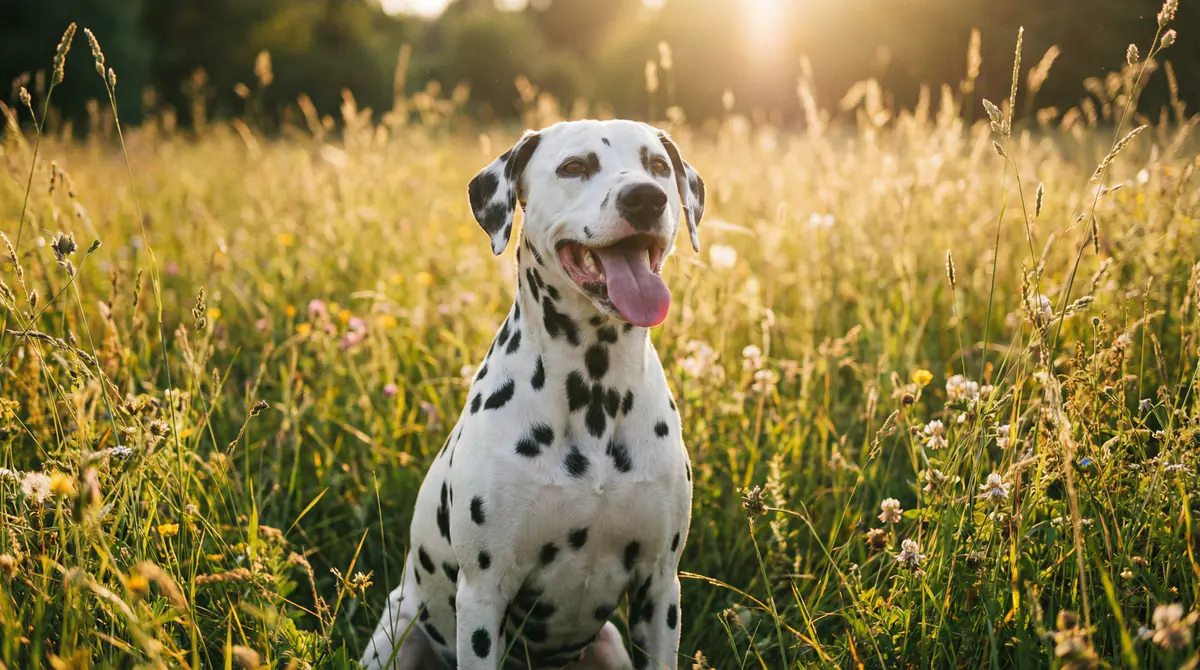
Dalmatians are sleek athletes; “too skinny” worries should be checked by your vet, not comments sections.
Growth can look leggy before adult muscle arrives.
Weight loads joints during growth; treat drift matters.
Short coat shows condition honestly.
They can be sound sensitive; socialization stays sub-threshold.
Teen regression is normal; simplify training.
La etapa de cachorro no es una sola fase: es una pila de retos y victorias distintas. Úsalo como línea temporal, no como reglamento rígido.
Routine, handling, gentle exposure.
Leash skills before speed wins.
Channel stamina; protect joints.
Endurance builds gradually.
Elegimos estas categorías para el día a día: descanso, paseos más cómodos, comidas sin líos y un hogar que encaje con tu situación. En cada hueco priorizamos artículos muy valorados que tienen sentido con la talla y la etapa de tu perro.
Alimentación, ejercicio, adiestramiento, rutina en casa y prevención. Cada bloque va dirigido a quien acaba de mirar la curva de peso de su cachorro.
Your vet guides puppy diet choice, especially if urinary risk is a conversation in your line.
Measured meals support lean condition.
Slow transitions.
Running, hiking, and play when age-appropriate.
End before overtired mouthiness.
Heat planning.
Clarity and consistency beat shouting.
Socialization is pairing and distance.
Teach mat calm and crate chill.
Rotate tough toys.
Secure trash; counter surfers happen.
Hips, hearing, and urinary stone risk are breed conversation topics; your vet personalizes.
Dental tolerance training.
Parasite control for your region.
Si tienes dudas, llama a tu veterinario, sobre todo con cachorros. Esta lista no es exhaustiva ni cubre todas las situaciones: es un recordatorio general de señales que muchas clínicas quieren conocer.
Información educativa general únicamente. No es consejo médico ni sustituye la exploración ni el plan de un veterinario colegiado. Las estimaciones y recomendaciones no diagnostican enfermedad ni urgencias; ante cualquier problema de salud, contacta con tu clínica.
Dignified, smart, and outgoing
Non-Sporting
Grande
11-13 years
17 meses
45-70 lb
19-24" de altura
45-70 lb
19-24" de altura
Dalmatians are an old coach dog type associated with traveling alongside horses and carriages, later popularized by firehouse culture and film.
They were endurance dogs more than couch potatoes; spots are fashion, stamina is history.
Modern Dalmatians need real exercise and early training; boredom becomes destruction and barking.
La calculadora toma la edad y el peso actuales de tu cachorro para estimar el tamaño adulto. Como los cachorros crecen más rápido al principio y luego se desaceleran, la estimación se adapta a la fase de crecimiento en la que está tu Dálmata.
Con la raza Dálmata, lo habitual es estar casi en el tamaño adulto hacia los 17 meses. A medida que tu cachorro es mayor y ya ha completado más crecimiento, la estimación suele volverse más fiable.
La mayoría de los Dálmata adultos se sitúan en un rango típico de 45-70 lb. Puedes usar la calculadora con cachorros muy jóvenes, pero las estimaciones suelen ser más precisas a partir de unas 12 semanas.
Comparte PetCareCalc con otras personas con mascota o guarda el enlace para volver cuando quieras.
Prueba también: Calculadora de edad canina (años caninos y humanos) · Test de razas
Añade gratis nuestra calculadora incrustable a tu web.
¿Sigues por aquí?
Cinco toques rápidos, una recomendación instantánea y un enlace para compartir. Gratis, sin registro.
EmpezarEstimando el crecimiento de tu Dálmata