Gráfico personalizado
Introduce edad y peso para ver la trayectoria de crecimiento de tu perro.
¿Cuánto crecerá mi Coonhound Bluetick? Estima el peso adulto y sigue el desarrollo de tu cachorro.
Elegimos estas categorías para el día a día: descanso, paseos más cómodos, comidas sin líos y un hogar que encaje con tu situación. En cada hueco priorizamos artículos muy valorados que tienen sentido con la talla y la etapa de tu perro.
Transportines amplios
Camas cómodas
Arneses listos para salir
Comederos anti-glutonismo
Bluetick Coonhound puppies are mottled American scenthounds with voice and stamina. Your growth chart belongs with lean-condition honesty, ear care, and training that builds recall before the nose goes pro.
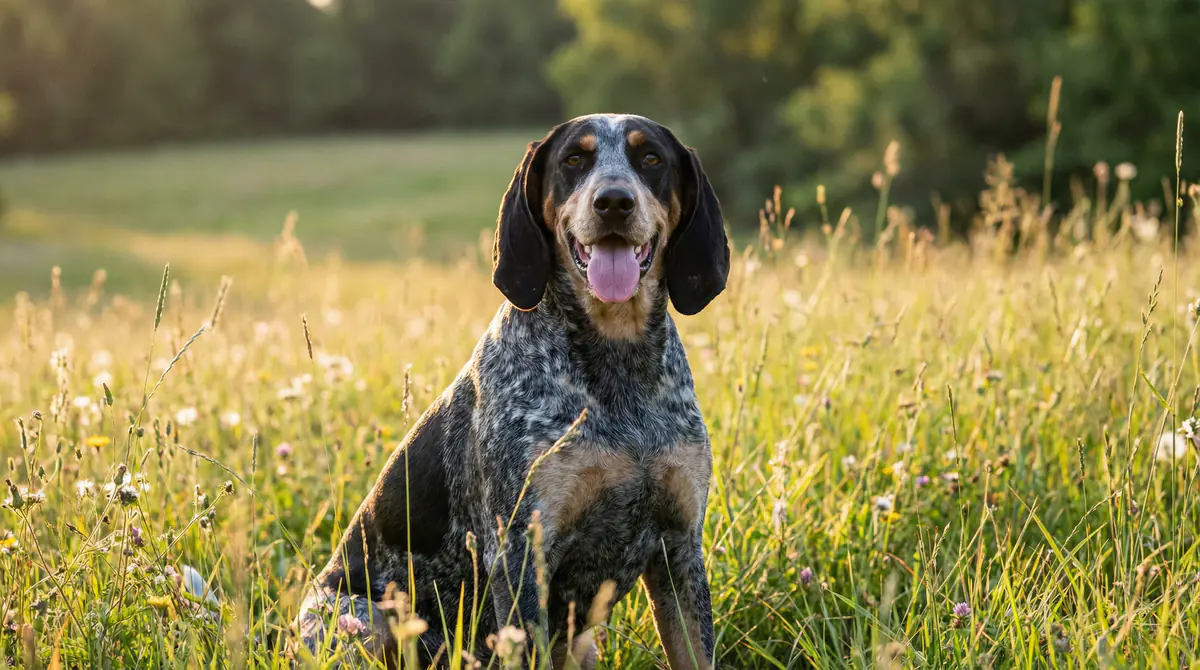
Bluetick Coonhounds finish large and athletic; the chart is a breed compass while genetics and lifestyle still move adult weight. Muscle and condition should be read next to ribs and waist, not only the midpoint.
Hounds often look lean while healthy; your veterinarian helps you tell “athletic” from “underfed” when you are unsure.
When growth slows, shorter walks and generous treats show on the scale before the mirror—log exercise and snacks honestly.
Drop ears trap moisture; gentle drying and a sniff routine after field days prevent small problems from sneaking up.
They train well for food when you are interesting; measured meals keep nose-work sessions from becoming accidental buffets.
Teen listening dips are normal; refresh recall on a long line before trusting off-leash dreams near roads or wildlife.
La etapa de cachorro no es una sola fase: es una pila de retos y victorias distintas. Úsalo como línea temporal, no como reglamento rígido.
Routine, gentle handling, calm exposure.
Leash skills before strength wins.
Endurance build + voice awareness.
Stamina matures.
Elegimos estas categorías para el día a día: descanso, paseos más cómodos, comidas sin líos y un hogar que encaje con tu situación. En cada hueco priorizamos artículos muy valorados que tienen sentido con la talla y la etapa de tu perro.
Alimentación, ejercicio, adiestramiento, rutina en casa y prevención. Cada bloque va dirigido a quien acaba de mirar la curva de peso de su cachorro.
Your veterinarian should pick puppy nutrition and portions tuned to your growth curve; athletic hounds need fuel without free-fed chaos.
Measured meals make training honest; hounds will train all day for food if you let them.
Change diets slowly; loose stool makes weight trends meaningless.
Sniff walks and age-appropriate mileage beat leash-yanking “tired” every time.
End before overtired mouthiness; tired hounds get loud and stubborn.
Heat planning: morning routes, water, and shade.
Patience and rewards beat nagging; cooperation buys reliability.
Socialization is pairing and distance—novelty with a relaxed body.
Teach calm defaults: mat, crate, quiet before meals.
Secure fencing and gate latches; hounds follow scent and opportunity.
Rotate enrichment—chews, puzzles, scent boxes—so boredom does not route to demolition.
Hips and ears are frequent conversation topics for coonhounds; your vet personalizes exams and cleaning routines.
Parasite control should match ticks and travel in your area.
Dental tolerance training while young pays off for life.
Si tienes dudas, llama a tu veterinario, sobre todo con cachorros. Esta lista no es exhaustiva ni cubre todas las situaciones: es un recordatorio general de señales que muchas clínicas quieren conocer.
Información educativa general únicamente. No es consejo médico ni sustituye la exploración ni el plan de un veterinario colegiado. Las estimaciones y recomendaciones no diagnostican enfermedad ni urgencias; ante cualquier problema de salud, contacta con tu clínica.
Smart, devoted, and tenacious
Hound
Grande
11-12 years
17 meses
55-80 lb
22-27" de altura
45-65 lb
21-25" de altura
Bluetick Coonhounds were developed in the United States from English coonhound and foxhound roots, selected for cold-trailing, endurance, and the distinctive mottled coat.
They are built for night miles; couch-only life gets loud.
Modern Blueticks are devoted family dogs when exercise and fencing are honest.
La calculadora toma la edad y el peso actuales de tu cachorro para estimar el tamaño adulto. Como los cachorros crecen más rápido al principio y luego se desaceleran, la estimación se adapta a la fase de crecimiento en la que está tu Coonhound Bluetick.
Con la raza Coonhound Bluetick, lo habitual es estar casi en el tamaño adulto hacia los 17 meses. A medida que tu cachorro es mayor y ya ha completado más crecimiento, la estimación suele volverse más fiable.
La mayoría de los Coonhound Bluetick adultos se sitúan en un rango típico de 45-80 lb. Puedes usar la calculadora con cachorros muy jóvenes, pero las estimaciones suelen ser más precisas a partir de unas 12 semanas.
Comparte PetCareCalc con otras personas con mascota o guarda el enlace para volver cuando quieras.
Prueba también: Calculadora de edad canina (años caninos y humanos) · Test de razas
Añade gratis nuestra calculadora incrustable a tu web.
¿Sigues por aquí?
Cinco toques rápidos, una recomendación instantánea y un enlace para compartir. Gratis, sin registro.
EmpezarEstimando el crecimiento de tu Coonhound Bluetick