Gráfico personalizado
Introduce edad y peso para ver la trayectoria de crecimiento de tu perro.
¿Cuánto crecerá mi Boyero de Berna? Estima el peso adulto y sigue el desarrollo de tu cachorro.
Elegimos estas categorías para el día a día: descanso, paseos más cómodos, comidas sin líos y un hogar que encaje con tu situación. En cada hueco priorizamos artículos muy valorados que tienen sentido con la talla y la etapa de tu perro.
Transportines amplios
Camas cómodas
Arneses listos para salir
Comederos anti-glutonismo
Bernese puppies are gentle giants from Alpine farms. Your chart is most useful with slow growth goals, joint care, and the honest vet partnership every large breed family deserves.
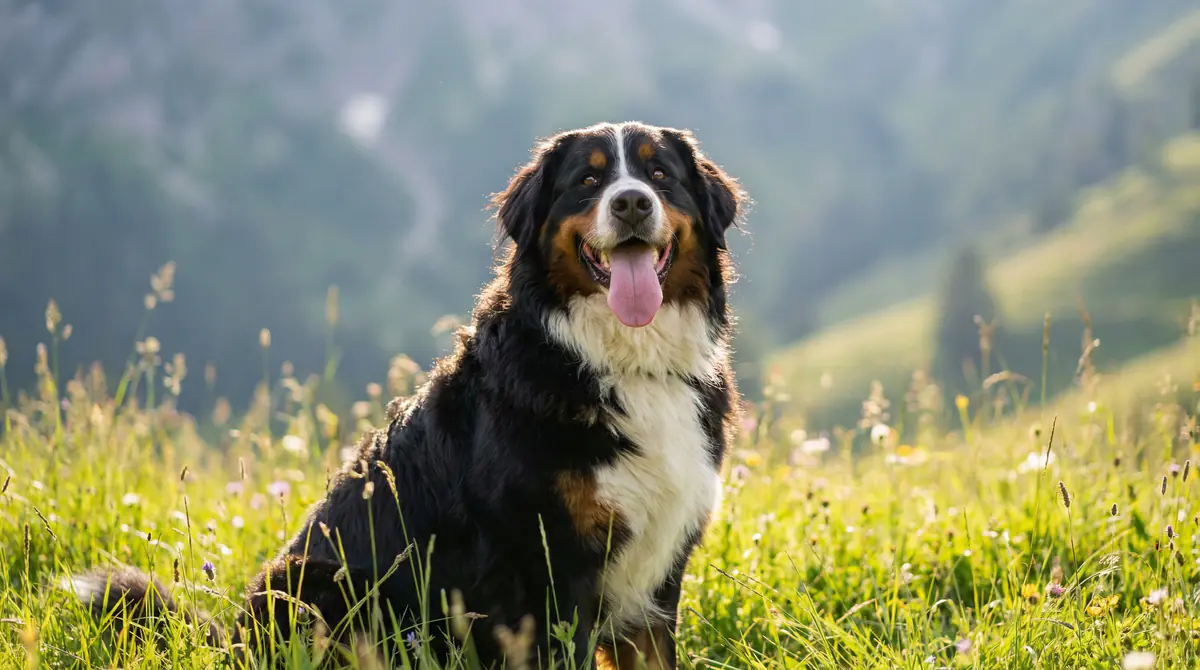
Berners should grow steadily, not race; your vet helps interpret curves.
Coat fluff hides weight; palpate and photograph.
If limping appears, do not “wait and see” through a weekend.
Hind end weakness, bunny hopping, or reluctance to climb needs vet attention.
Heat: heavy coat and size trap warmth; plan walks.
Lean is kind to joints.
La etapa de cachorro no es una sola fase: es una pila de retos y victorias distintas. Úsalo como línea temporal, no como reglamento rígido.
Routine, potty, handling, calm exposure.
Skills before strength gets real.
Joint care under real weight.
Many large dogs mature slowly.
Elegimos estas categorías para el día a día: descanso, paseos más cómodos, comidas sin líos y un hogar que encaje con tu situación. En cada hueco priorizamos artículos muy valorados que tienen sentido con la talla y la etapa de tu perro.
Alimentación, ejercicio, adiestramiento, rutina en casa y prevención. Cada bloque va dirigido a quien acaba de mirar la curva de peso de su cachorro.
Large breed puppy diet if your vet recommends it.
Measured meals; slow transitions.
Treats are planned.
Free play on varied soft terrain beats leash dragging miles.
Cold tolerance is better than heat; summer needs planning.
End before overtired sharks.
Polite greetings matter before they weigh 100 lb.
Socialization includes novelty at comfortable distances.
Reward calm; excitement becomes default fast.
Bedding that supports growing joints.
Rugs for traction on slick floors.
Wellness schedule per your vet; large puppies benefit from proactive visits.
Discuss screening topics your breeder raised; your vet personalizes timing.
Dental tolerance training early.
Si tienes dudas, llama a tu veterinario, sobre todo con cachorros. Esta lista no es exhaustiva ni cubre todas las situaciones: es un recordatorio general de señales que muchas clínicas quieren conocer.
Información educativa general únicamente. No es consejo médico ni sustituye la exploración ni el plan de un veterinario colegiado. Las estimaciones y recomendaciones no diagnostican enfermedad ni urgencias; ante cualquier problema de salud, contacta con tu clínica.
Good-natured, calm, and strong
Working
Grande
7-10 years
24 meses
Berner
70-115 lb
25-27.5" de altura
70-115 lb
23-26" de altura
Berners come from the canton of Bern in Switzerland, where they pulled carts, drove dairy cattle, and guarded farmyards in cold mountain valleys.
Their tri color pattern and sturdy build reflect utilitarian breeding for real work, not runway speed.
Today they are beloved family dogs with a famously sweet temperament. That farm heritage explains draft strength and cold tolerance; responsible modern breeding and vet care address health topics owners should discuss openly with professionals.
La calculadora toma la edad y el peso actuales de tu cachorro para estimar el tamaño adulto. Como los cachorros crecen más rápido al principio y luego se desaceleran, la estimación se adapta a la fase de crecimiento en la que está tu Boyero de Berna.
Con la raza Boyero de Berna, lo habitual es estar casi en el tamaño adulto hacia los 24 meses. A medida que tu cachorro es mayor y ya ha completado más crecimiento, la estimación suele volverse más fiable.
La mayoría de los Boyero de Berna adultos se sitúan en un rango típico de 70-115 lb. Puedes usar la calculadora con cachorros muy jóvenes, pero las estimaciones suelen ser más precisas a partir de unas 12 semanas.
Respuestas directas sobre talla, crecimiento, alimentación y cómo usar esta calculadora junto a tu veterinario.
Berners are large working dogs—adults are often quoted around 70–115 lb, with males frequently taller and heavier than females (your breed profile lists roughly 25–27.5" males and 23–26" females). Growth should be steady, not rushed; never push extra calories to “maximize” size.
Large breeds mature slowly—your breed data uses a long growth window, and many Berners are still filling out toward roughly two to three years. Coat fluff hides weight; palpate ribs and take standing photos monthly. If your pup looks sore or uneven after hard play, trade the next few days for easy walks before you stack big outings again.
Pick a large-breed puppy food and follow the label for your pup’s current weight; growth curves are easier to read when meals are measured and treats are planned. Splitting daily food into several meals and keeping the first minutes after eating calmer than sprint play is a common household rhythm. Skip random supplement stacks.
Favor free play on varied soft ground and calm water play as confidence grows over forced running on pavement while young. They tolerate cold better than heat; summer walks need water, shade, and timing. Stop if your pup looks sore the next day; nail length affects gait on heavy pups.
Log weights every few weeks and keep the trend where you will actually look at it—large puppies change fast. Polite greetings matter before your pup weighs as much as a person; train mat, place, and calm rewards early. Ask your breeder what size and energy level they expect from your line so the chart has context.
Comparte PetCareCalc con otras personas con mascota o guarda el enlace para volver cuando quieras.
Prueba también: Calculadora de edad canina (años caninos y humanos) · Test de razas
Añade gratis nuestra calculadora incrustable a tu web.
¿Sigues por aquí?
Cinco toques rápidos, una recomendación instantánea y un enlace para compartir. Gratis, sin registro.
EmpezarEstimando el crecimiento de tu Boyero de Berna