Gráfico personalizado
Introduce edad y peso para ver la trayectoria de crecimiento de tu perro.
¿Cuánto crecerá mi Bulldog americano? Estima el peso adulto y sigue el desarrollo de tu cachorro.
Elegimos estas categorías para el día a día: descanso, paseos más cómodos, comidas sin líos y un hogar que encaje con tu situación. En cada hueco priorizamos artículos muy valorados que tienen sentido con la talla y la etapa de tu perro.
Transportines amplios
Camas cómodas
Arneses listos para salir
Comederos anti-glutonismo
American Bulldog puppies are strong working bulldogs with big hearts and serious muscle. Your growth chart pairs with large-breed joint sense, heat awareness, and training that builds manners before adolescent strength makes pulling a lifestyle.
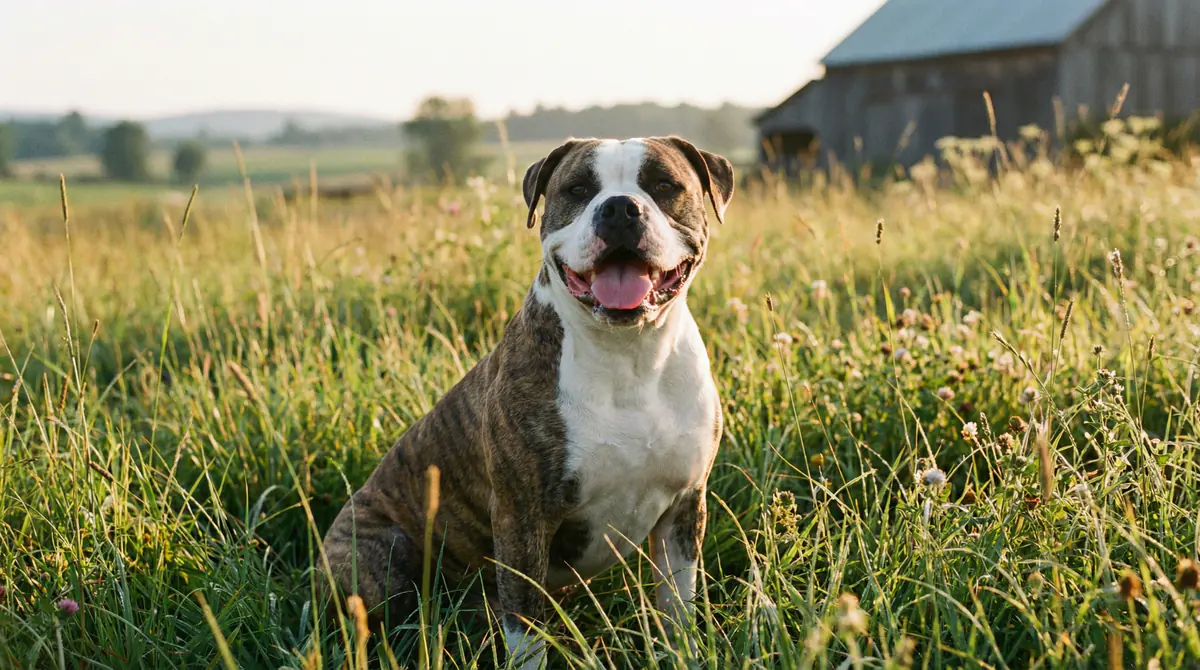
American Bulldogs grow into a large, athletic frame, but “Scott”-type lines often look leaner than heavier “Johnson”-style dogs at the same age. Your chart is a breed-average compass; compare your puppy to its own trend line and to parent size when you know it, not to random dogs online.
The short coat is honest about condition—still run hands along the ribs monthly and snap a standing photo from above so treats and toppers cannot hide a disappearing waist.
Muzzle length varies; some individuals tolerate heat better than others. Panting and recovery time after play tell you more than the clock does—shift walks to cooler hours and keep water breaks generous in summer.
American Bulldogs are often glued to people, which makes sympathy snacks tempting. Measured meals plus a treat budget keep adolescence from turning into “he looked hungry” portion creep.
Teenage listening dips are normal; lower criteria, shorten sessions, and pay well for basics again instead of arguing on a full leash.
Heat and humidity shrink comfortable exercise windows; indoor mat work, chews, and scent games finish the day when the sidewalk is still hot.
La etapa de cachorro no es una sola fase: es una pila de retos y victorias distintas. Úsalo como línea temporal, no como reglamento rígido.
Routine, trade games, gentle exposure.
Leash skills before pulls win.
Channel drive; protect joints.
Athlete maturity.
Elegimos estas categorías para el día a día: descanso, paseos más cómodos, comidas sin líos y un hogar que encaje con tu situación. En cada hueco priorizamos artículos muy valorados que tienen sentido con la talla y la etapa de tu perro.
Alimentación, ejercicio, adiestramiento, rutina en casa y prevención. Cada bloque va dirigido a quien acaba de mirar la curva de peso de su cachorro.
Your veterinarian should help you pick a growth-appropriate diet and starting portions; large, muscular puppies do best when growth looks steady on the log, not spiky from random calorie swings.
Measured meals make training honest—you know when appetite truly changes versus when the bowl was eyeballed differently.
Change foods slowly over about a week unless your vet directs otherwise; loose stool makes weight trends impossible to read.
Think brisk walks, sniff sessions, and age-appropriate play on grass or dirt before you chase marathon pavement miles while your dog is still growing.
End outdoor sessions while your pup still has bounce; distress panting in heat means you already went too long.
Swimming can build fitness with low impact when water safety and your vet’s timing guidance align.
Teach door manners and calm greetings before adolescent strength makes pulling and jumping the default.
Socialization means novelty plus positive association at distances that keep tail wags—not flooding busy patios on day one.
Cooperation beats confrontation; fair clarity and high reinforcement rates build trust in powerful breeds.
Rotate tough chews and puzzle toys so boredom does not route straight to drywall.
Secure trash, counters, and compost; athletic dogs problem-solve for calories.
Hips, elbows, skin allergies, and cardiac topics show up in breed education; your vet personalizes what to watch for based on exam, lifestyle, and breeder paperwork.
Dental tolerance training while young makes later brushing and professional cleanings less stressful.
Parasite control depends on region and lifestyle—heartworm, ticks, and intestinal worms are not one-size-fits-all.
Si tienes dudas, llama a tu veterinario, sobre todo con cachorros. Esta lista no es exhaustiva ni cubre todas las situaciones: es un recordatorio general de señales que muchas clínicas quieren conocer.
Información educativa general únicamente. No es consejo médico ni sustituye la exploración ni el plan de un veterinario colegiado. Las estimaciones y recomendaciones no diagnostican enfermedad ni urgencias; ante cualquier problema de salud, contacta con tu clínica.
Strong, muscular, and affectionate family dog
Working
Grande
10-12 years
18 meses
75-120 lb
22-28" de altura
60-90 lb
20-26" de altura
American Bulldogs descend from Old English Bulldog-type farm dogs in the American South, kept for stock work, hunting tasks, and family guardianship with athleticism relative to some show bulldogs.
Lines vary from leaner “Scott” types to heavier “Johnson” styles; exercise needs and silhouette differ.
Housing rules and insurance questions for strong breeds vary by region—know yours early.
La calculadora toma la edad y el peso actuales de tu cachorro para estimar el tamaño adulto. Como los cachorros crecen más rápido al principio y luego se desaceleran, la estimación se adapta a la fase de crecimiento en la que está tu Bulldog americano.
Con la raza Bulldog americano, lo habitual es estar casi en el tamaño adulto hacia los 18 meses. A medida que tu cachorro es mayor y ya ha completado más crecimiento, la estimación suele volverse más fiable.
La mayoría de los Bulldog americano adultos se sitúan en un rango típico de 60-120 lb. Puedes usar la calculadora con cachorros muy jóvenes, pero las estimaciones suelen ser más precisas a partir de unas 12 semanas.
Comparte PetCareCalc con otras personas con mascota o guarda el enlace para volver cuando quieras.
Prueba también: Calculadora de edad canina (años caninos y humanos) · Test de razas
Añade gratis nuestra calculadora incrustable a tu web.
¿Sigues por aquí?
Cinco toques rápidos, una recomendación instantánea y un enlace para compartir. Gratis, sin registro.
EmpezarEstimando el crecimiento de tu Bulldog americano