Gráfico personalizado
Introduce edad y peso para ver la trayectoria de crecimiento de tu perro.
¿Cuánto crecerá mi Silky terrier? Estima el peso adulto y sigue el desarrollo de tu cachorro.
Elegimos estas categorías para el día a día: descanso, paseos más cómodos, comidas sin líos y un hogar que encaje con tu situación. En cada hueco priorizamos artículos muy valorados que tienen sentido con la talla y la etapa de tu perro.
Transportines amplios
Camas cómodas
Arneses listos para salir
Comederos anti-glutonismo
Silky Terrier puppies are Australian toy athletes with a long jacket and terrier spark. Your growth chart pairs with coat discipline, tiny-dog safety, and training that keeps charm from becoming bossiness.
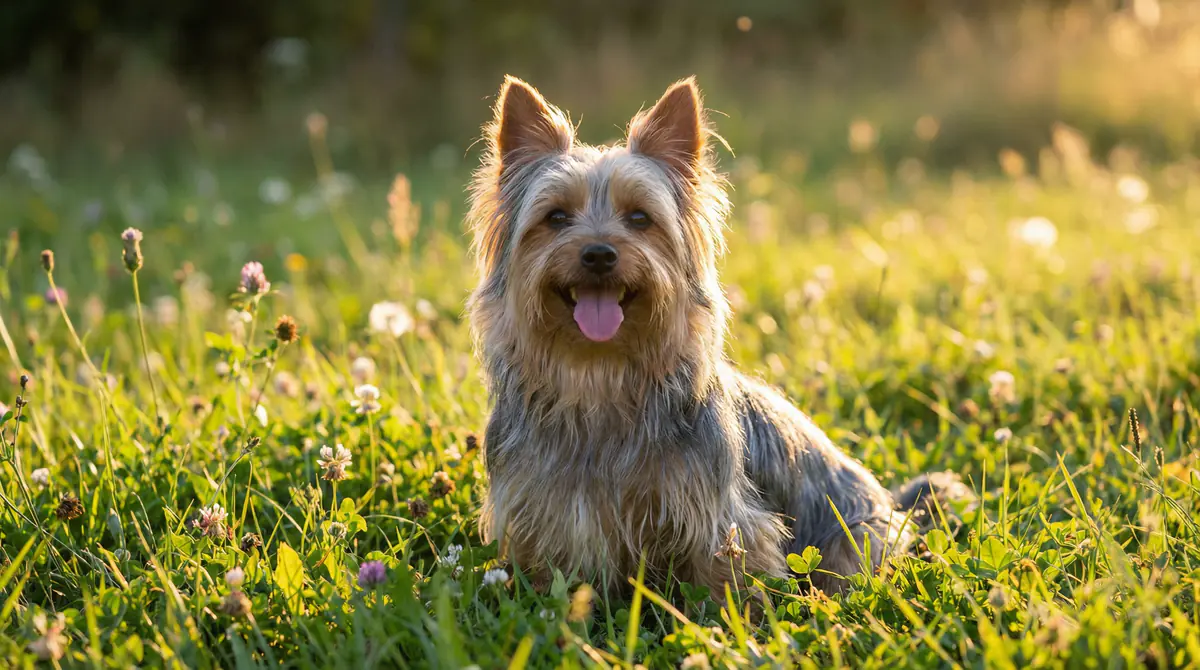
Silky Terriers mature quickly in toy terms—a few ounces on the scale is a large percentage of body weight, so weigh often while young and log dates.
The long jacket hides early padding; line-comb to skin on a rhythm and pair that with gentle rib checks so “fluff” does not replace condition checks.
When growth slows, “tiny” training treats and table bites show up as trend drift before the mirror says anything.
Line-comb to skin on schedule; mats tighten at the skin first and hurt.
Silkies train when you are fair and interesting; measured meals keep sessions from becoming accidental buffets.
Teen sass is sharp but short; shorten sessions and raise pay rather than escalating battles.
La etapa de cachorro no es una sola fase: es una pila de retos y victorias distintas. Úsalo como línea temporal, no como reglamento rígido.
Routine, gentle handling, calm exposure.
Skills before sass hardens.
Clarity + safe exercise.
Habits lock in.
Elegimos estas categorías para el día a día: descanso, paseos más cómodos, comidas sin líos y un hogar que encaje con tu situación. En cada hueco priorizamos artículos muy valorados que tienen sentido con la talla y la etapa de tu perro.
Alimentación, ejercicio, adiestramiento, rutina en casa y prevención. Cada bloque va dirigido a quien acaba de mirar la curva de peso de su cachorro.
Your veterinarian should set calories for toy growth and adjust to your trend; frequent small meals often suit very young toys better than one huge bowl.
Measured meals support high-rep training without mystery calories.
Transition foods slowly; tiny guts protest loudly.
Short walks, play, and training reps add up; skipping exercise because “they’re small” invites bark and sass.
End before overtired mouthiness; tired toys get nippy.
Heat planning: water, shade, and carry breaks.
Kindness plus boundaries; small does not mean “no rules.”
Socialization is pairing and distance—novelty with confidence, not flooding.
Teach mat settle so “off” is a skill, not luck.
Safe spaces away from chaotic feet and swinging doors.
Rotate small toys and chews so boredom does not route to ankle biting.
Patella, trachea, dental, and eye topics appear in toy education; your vet personalizes exams and products.
Parasite prevention must be sized correctly for tiny patients.
Gradual nail care prevents sound gait issues.
Si tienes dudas, llama a tu veterinario, sobre todo con cachorros. Esta lista no es exhaustiva ni cubre todas las situaciones: es un recordatorio general de señales que muchas clínicas quieren conocer.
Información educativa general únicamente. No es consejo médico ni sustituye la exploración ni el plan de un veterinario colegiado. Las estimaciones y recomendaciones no diagnostican enfermedad ni urgencias; ante cualquier problema de salud, contacta con tu clínica.
Friendly, quick, and spirited
Toy
Miniatura
13-15 years
9 meses
8-10 lb
9-10" de altura
8-10 lb
9-10" de altura
Silky Terriers were developed in Australia from Yorkshire Terrier and Australian Terrier roots, aiming for a portable companion with true terrier attitude.
They are quick and brave; skipped training creates a noisy general.
Coat maintenance is daily math; mats tighten at the skin first.
La calculadora toma la edad y el peso actuales de tu cachorro para estimar el tamaño adulto. Como los cachorros crecen más rápido al principio y luego se desaceleran, la estimación se adapta a la fase de crecimiento en la que está tu Silky terrier.
Con la raza Silky terrier, lo habitual es estar casi en el tamaño adulto hacia los 9 meses. A medida que tu cachorro es mayor y ya ha completado más crecimiento, la estimación suele volverse más fiable.
La mayoría de los Silky terrier adultos se sitúan en un rango típico de 8-10 lb. Puedes usar la calculadora con cachorros muy jóvenes, pero las estimaciones suelen ser más precisas a partir de unas 12 semanas.
Comparte PetCareCalc con otras personas con mascota o guarda el enlace para volver cuando quieras.
Prueba también: Calculadora de edad canina (años caninos y humanos) · Test de razas
Añade gratis nuestra calculadora incrustable a tu web.
¿Sigues por aquí?
Cinco toques rápidos, una recomendación instantánea y un enlace para compartir. Gratis, sin registro.
EmpezarEstimando el crecimiento de tu Silky terrier