Gráfico personalizado
Introduce edad y peso para ver la trayectoria de crecimiento de tu perro.
¿Cuánto crecerá mi Pomerania? Estima el peso adulto y sigue el desarrollo de tu cachorro.
Elegimos estas categorías para el día a día: descanso, paseos más cómodos, comidas sin líos y un hogar que encaje con tu situación. En cada hueco priorizamos artículos muy valorados que tienen sentido con la talla y la etapa de tu perro.
Transportines amplios
Camas cómodas
Arneses listos para salir
Comederos anti-glutonismo
Pomeranian puppies are pocket sized with main character energy. Your growth estimate should sit next to hypoglycemia smarts on tiny pups, coat reality, and training that channels big voice without spoiling.
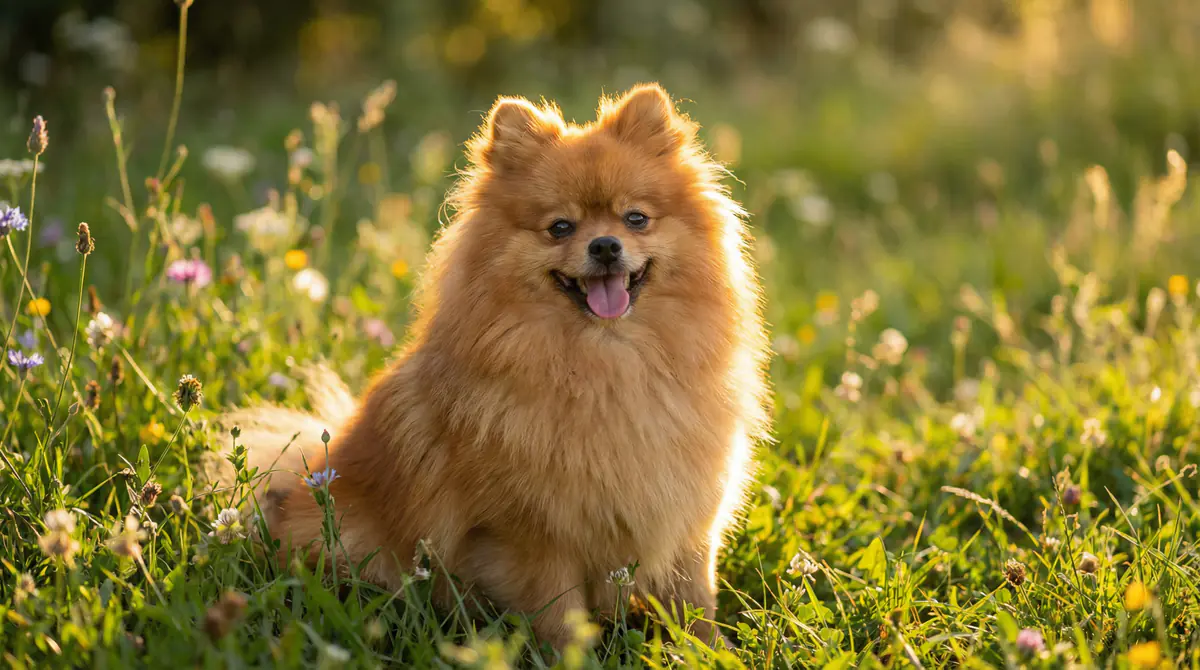
A few ounces move the needle on toy frames; weigh on a sensitive scale.
Coat blow changes how “big” they look; trust ribs and vet exam.
If weight drops with low energy, treat as urgent until your vet clears it.
Luxating patella and dental issues appear in small dogs; wellness visits matter.
Shivering, wobbliness, or glazed eyes in a toy puppy need prompt vet attention.
Coat can hide weight; palpate regularly.
La etapa de cachorro no es una sola fase: es una pila de retos y victorias distintas. Úsalo como línea temporal, no como reglamento rígido.
Meals, sleep, potty, gentle exposure.
Skills before sass hardens.
Coat drama + attitude.
Stable habits, lifelong coat plan.
Elegimos estas categorías para el día a día: descanso, paseos más cómodos, comidas sin líos y un hogar que encaje con tu situación. En cada hueco priorizamos artículos muy valorados que tienen sentido con la talla y la etapa de tu perro.
Alimentación, ejercicio, adiestramiento, rutina en casa y prevención. Cada bloque va dirigido a quien acaba de mirar la curva de peso de su cachorro.
Small frequent meals as vet directs when young.
Measured kibble; gram scale helps.
Rich scraps are risky for tiny dogs; ask your vet.
Short walks and play; thick coat traps heat.
Mental puzzles count as work.
Carry when overwhelmed in crowds.
Same rules as large dogs: no biting, no demand barking rewarded.
Protect them from being scooped; teach consent based hellos.
Socialization at comfortable distances.
Pick up small objects; everything is edible.
Stairs may need management early.
Vaccines and parasites sized for your dog per vet.
Dental disease risk is high; plan early.
Knee checks if skipping or bunny hopping appears.
Si tienes dudas, llama a tu veterinario, sobre todo con cachorros. Esta lista no es exhaustiva ni cubre todas las situaciones: es un recordatorio general de señales que muchas clínicas quieren conocer.
Información educativa general únicamente. No es consejo médico ni sustituye la exploración ni el plan de un veterinario colegiado. Las estimaciones y recomendaciones no diagnostican enfermedad ni urgencias; ante cualquier problema de salud, contacta con tu clínica.
Inquisitive, bold, and lively
Toy
Miniatura
12-16 years
9 meses
Pom
3-7 lb
6-7" de altura
3-7 lb
6-7" de altura
Pomeranians descend from Arctic spitz sled dogs of the Pomerania region along the Baltic. They were bred down in size over centuries until they became portable companions for European nobility.
Queen Victoria’s enthusiasm helped popularize smaller specimens and cement the fluffy toy silhouette we know.
Today’s Pom is mostly companion and alert dog. That spitz heritage explains the coat, the bark, and the confidence; small size explains why meal timing and gentle handling matter.
La calculadora toma la edad y el peso actuales de tu cachorro para estimar el tamaño adulto. Como los cachorros crecen más rápido al principio y luego se desaceleran, la estimación se adapta a la fase de crecimiento en la que está tu Pomerania.
Con la raza Pomerania, lo habitual es estar casi en el tamaño adulto hacia los 9 meses. A medida que tu cachorro es mayor y ya ha completado más crecimiento, la estimación suele volverse más fiable.
La mayoría de los Pomerania adultos se sitúan en un rango típico de 3-7 lb. Puedes usar la calculadora con cachorros muy jóvenes, pero las estimaciones suelen ser más precisas a partir de unas 12 semanas.
Respuestas directas sobre talla, crecimiento, alimentación y cómo usar esta calculadora junto a tu veterinario.
Adult Pomeranians are tiny—often quoted around 3–7 lb. A few ounces move the needle on that frame, so use a sensitive scale and consistent weigh-ins. Fluffy coat blows can change how large they look; trust rib feel and monthly photos alongside the calculator.
Toy dogs mature quickly: many are largely done growing by about 8–10 months. Meal timing still matters while they are young—frequent small meals on a predictable clock help avoid long empty gaps on busy days. If the scale dips for two or three weigh-ins in a row, check whether meals, treats, or activity changed before you chase the number with bigger portions.
Small puppies run through a day’s calories fast. A regular meal rhythm keeps training and play predictable for you and comfortable for them. If you know a morning will be hectic, pre-portion meals the night before and avoid stacking a huge play session before the first meal shows up.
They are spitz-style companions: confident, alert, and often vocal. Train quiet alternatives and reward calm so demand barking is not accidentally paid in treats. Use crumb-sized training rewards and log extras—easy to overfeed when every skill is taught with food.
Weigh on the same schedule and track trends; single-day wobbles are less informative than direction over weeks. Heat and cold both hit fast under a thick coat—short outings and mental puzzles count as real work. Supervise with large dogs and keep nails short; tiny feet change gait quickly when nails grow.
Comparte PetCareCalc con otras personas con mascota o guarda el enlace para volver cuando quieras.
Prueba también: Calculadora de edad canina (años caninos y humanos) · Test de razas
Añade gratis nuestra calculadora incrustable a tu web.
¿Sigues por aquí?
Cinco toques rápidos, una recomendación instantánea y un enlace para compartir. Gratis, sin registro.
EmpezarEstimando el crecimiento de tu Pomerania