Gráfico personalizado
Introduce edad y peso para ver la trayectoria de crecimiento de tu perro.
¿Cuánto crecerá mi Maltés? Estima el peso adulto y sigue el desarrollo de tu cachorro.
Elegimos estas categorías para el día a día: descanso, paseos más cómodos, comidas sin líos y un hogar que encaje con tu situación. En cada hueco priorizamos artículos muy valorados que tienen sentido con la talla y la etapa de tu perro.
Transportines amplios
Camas cómodas
Arneses listos para salir
Comederos anti-glutonismo
Maltese puppies are charm in a silk coat. Your estimate should sit beside meal steadiness for tiny dogs, coat maintenance you will actually do, and training that prevents “boss of the house” routines.
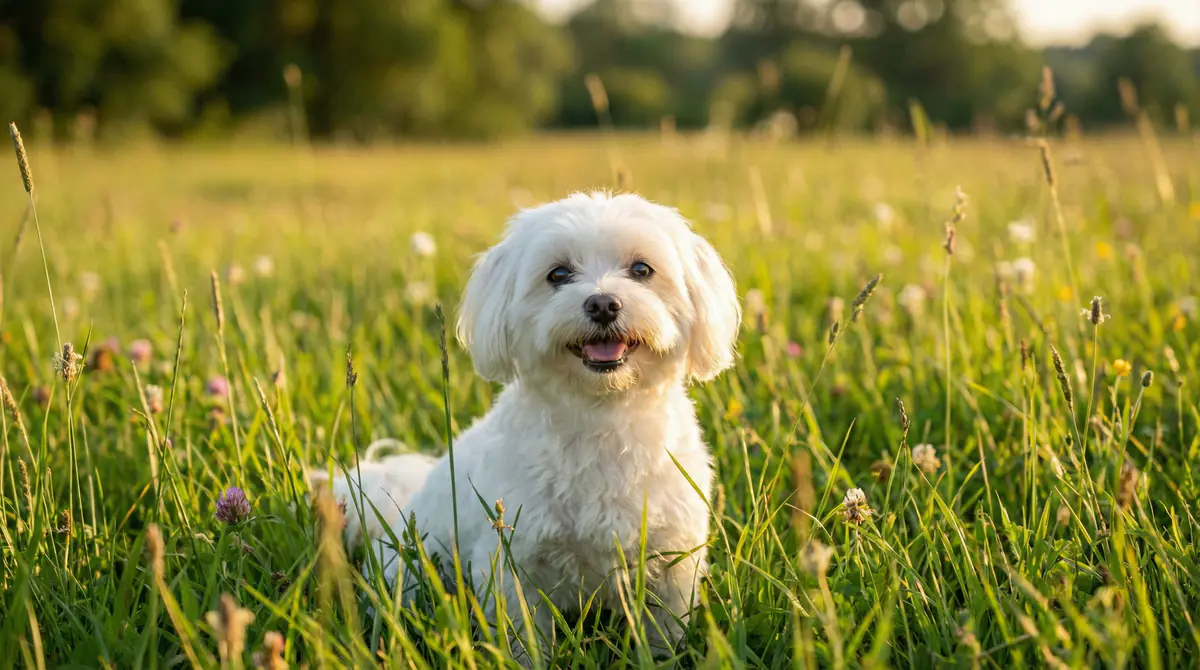
Maltese often finish growing sooner than large breeds; compare trends over weeks.
Coat and posture hide or exaggerate weight; hands-on ribs monthly.
Sudden pudginess loads tiny knees; treat drift is the usual cause after growth slows.
Show coat versus pet trim changes daily care; both need a plan.
They train with food; overfeeding is easy.
Reverse sneeze and throat sensitivity happen; know normal versus emergency with your vet.
La etapa de cachorro no es una sola fase: es una pila de retos y victorias distintas. Úsalo como línea temporal, no como reglamento rígido.
Routine, handling, gentle exposure.
Manners before habits lock in.
Brain tired beats mouth tired.
Adult coat and habits.
Elegimos estas categorías para el día a día: descanso, paseos más cómodos, comidas sin líos y un hogar que encaje con tu situación. En cada hueco priorizamos artículos muy valorados que tienen sentido con la talla y la etapa de tu perro.
Alimentación, ejercicio, adiestramiento, rutina en casa y prevención. Cada bloque va dirigido a quien acaba de mirar la curva de peso de su cachorro.
Your vet sets calories and meal timing for this size.
Measured meals support weight and house training.
Human-food habits start early; decide rules with your vet.
Short walks and indoor games beat forced mileage.
Carry gear for weather swings.
End before overtired biting spikes.
Expect the same manners as a big dog; size is not an excuse.
Socialization is novelty + good associations.
Teach quiet and settle on cue.
Safe ex-pen or gated area when unsupervised.
Kids: gentle handling only.
Vaccines and parasites per region.
Patellas, hearts, and dentition are common discussion points.
Groomer notes on skin shared with your vet.
Si tienes dudas, llama a tu veterinario, sobre todo con cachorros. Esta lista no es exhaustiva ni cubre todas las situaciones: es un recordatorio general de señales que muchas clínicas quieren conocer.
Información educativa general únicamente. No es consejo médico ni sustituye la exploración ni el plan de un veterinario colegiado. Las estimaciones y recomendaciones no diagnostican enfermedad ni urgencias; ante cualquier problema de salud, contacta con tu clínica.
Gentle, playful, and charming
Toy
Miniatura
12-15 years
9 meses
4-7 lb
7-9" de altura
4-7 lb
7-9" de altura
Maltese-type toy dogs appear across Mediterranean history as aristocratic companions prized for portable size and long white coats.
European courts refined the look into the modern breed we recognize in shows and living rooms.
Tiny frame means hypoglycemia and dental topics matter early; charm scales fast into demanding behavior without boundaries.
La calculadora toma la edad y el peso actuales de tu cachorro para estimar el tamaño adulto. Como los cachorros crecen más rápido al principio y luego se desaceleran, la estimación se adapta a la fase de crecimiento en la que está tu Maltés.
Con la raza Maltés, lo habitual es estar casi en el tamaño adulto hacia los 9 meses. A medida que tu cachorro es mayor y ya ha completado más crecimiento, la estimación suele volverse más fiable.
La mayoría de los Maltés adultos se sitúan en un rango típico de 4-7 lb. Puedes usar la calculadora con cachorros muy jóvenes, pero las estimaciones suelen ser más precisas a partir de unas 12 semanas.
Comparte PetCareCalc con otras personas con mascota o guarda el enlace para volver cuando quieras.
Prueba también: Calculadora de edad canina (años caninos y humanos) · Test de razas
Añade gratis nuestra calculadora incrustable a tu web.
¿Sigues por aquí?
Cinco toques rápidos, una recomendación instantánea y un enlace para compartir. Gratis, sin registro.
EmpezarEstimando el crecimiento de tu Maltés