Gráfico personalizado
Introduce edad y peso para ver la trayectoria de crecimiento de tu perro.
¿Cuánto crecerá mi Teckel miniatura? Estima el peso adulto y sigue el desarrollo de tu cachorro.
Elegimos estas categorías para el día a día: descanso, paseos más cómodos, comidas sin líos y un hogar que encaje con tu situación. En cada hueco priorizamos artículos muy valorados que tienen sentido con la talla y la etapa de tu perro.
Transportines amplios
Camas cómodas
Arneses listos para salir
Comederos anti-glutonismo
Miniature Dachshund puppies are compact hounds with a big voice and brave heart. Your growth chart pairs with back protection as religion, honest weight, and training that uses ramps and rules so a long spine stays happy.
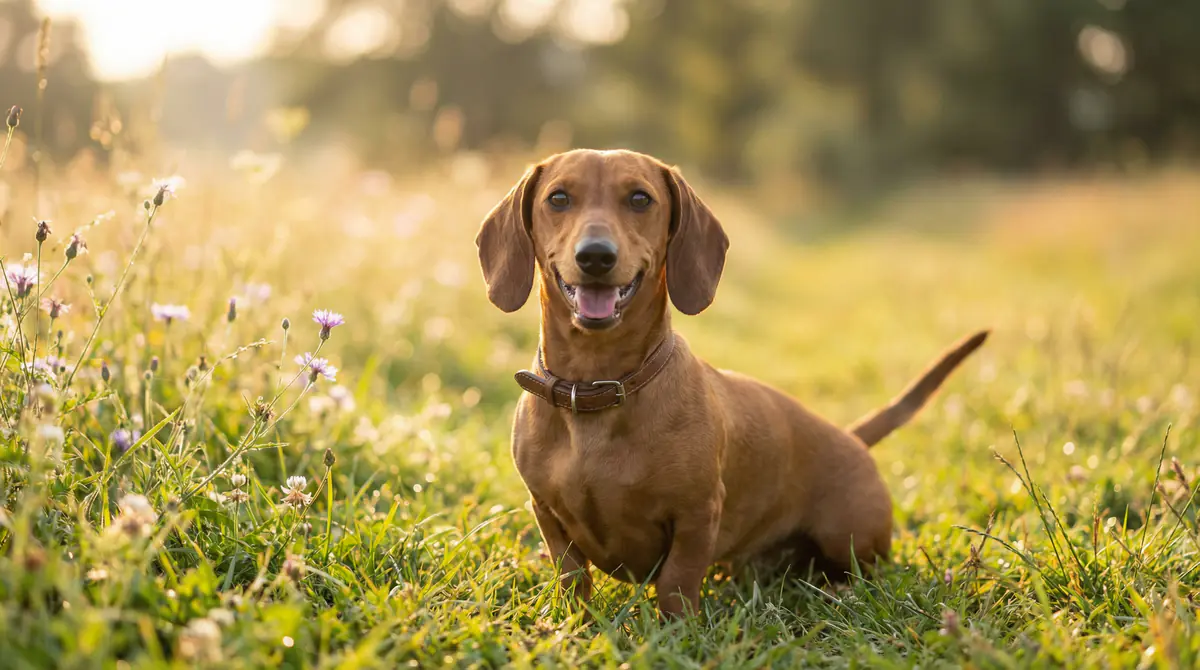
Miniature Dachshunds are tiny but easy to overfeed; each extra ounce is a larger percentage of body weight than on a tall dog, and it changes how they carry themselves on a long back.
Hands-on rib checks weekly while young pair with the scale so “fluff” or a smooth coat cannot hide early drift.
When growth slows, snack generosity and smaller walks show on the log—honest treat accounting keeps the curve readable.
Lean, steady condition is the usual goal for long-backed dogs; your veterinarian helps you judge what that looks like on your individual pup.
They train enthusiastically for food; measured meals keep shaping sessions from replacing measured dinner.
Jumping off beds and couches is a habit that gets expensive—ramps, rules, and lifts are kindness, not spoiling.
La etapa de cachorro no es una sola fase: es una pila de retos y victorias distintas. Úsalo como línea temporal, no como reglamento rígido.
Routine, gentle handling, calm exposure.
Skills before stubbornness hardens.
Mental work + back sense.
Habits lock in.
Elegimos estas categorías para el día a día: descanso, paseos más cómodos, comidas sin líos y un hogar que encaje con tu situación. En cada hueco priorizamos artículos muy valorados que tienen sentido con la talla y la etapa de tu perro.
Alimentación, ejercicio, adiestramiento, rutina en casa y prevención. Cada bloque va dirigido a quien acaba de mirar la curva de peso de su cachorro.
Your veterinarian should set calories to keep growth steady; extra weight on a long back changes comfort and mobility over time.
Measured meals support training without mystery calories from “just one more” moments.
Transition foods slowly; gut upset makes the weight log meaningless for a week.
Walks, sniffing, and play on level ground build fitness without turning every day into stunt practice.
End before overtired mouthiness; tired hounds get loud and stubborn.
Avoid letting weight creep early; prevention is simpler than reversal.
Kind consistency; hounds notice unfairness and dig in.
Socialization is pairing and distance—novelty with confidence, not chaos.
Teach mat settle so “off” is trained, not hoped for.
Ramp training early; habits form before the dog “needs” them.
Block off tall jumps and train household rules before adolescence tests every shortcut.
IVDD, dental disease, patella, and eye topics appear in Dachshund education; your vet personalizes what to watch for.
Parasite control should match your region and lifestyle.
Gradual nail care supports sound movement on short legs.
Si tienes dudas, llama a tu veterinario, sobre todo con cachorros. Esta lista no es exhaustiva ni cubre todas las situaciones: es un recordatorio general de señales que muchas clínicas quieren conocer.
Información educativa general únicamente. No es consejo médico ni sustituye la exploración ni el plan de un veterinario colegiado. Las estimaciones y recomendaciones no diagnostican enfermedad ni urgencias; ante cualquier problema de salud, contacta con tu clínica.
Spunky, curious, and compact
Hound
Miniatura
12-16 years
9 meses
Mini Dachshund, Mini Doxie, Mini Wiener Dog, Miniature Longhaired Dachshund, Miniature Wirehaired Dachshund, Miniature Smooth Dachshund
8-11 lb
5-6" de altura
8-11 lb
5-6" de altura
Dachshunds were developed in Germany as badger and vermin dogs with a long low frame for tunnel work; miniatures were bred down for smaller quarry while keeping hound persistence.
Smooth, long, and wire coats share the same spinal realities.
Modern mini Doxies are beloved companions; stairs and jumping mistakes are expensive.
La calculadora toma la edad y el peso actuales de tu cachorro para estimar el tamaño adulto. Como los cachorros crecen más rápido al principio y luego se desaceleran, la estimación se adapta a la fase de crecimiento en la que está tu Teckel miniatura.
Con la raza Teckel miniatura, lo habitual es estar casi en el tamaño adulto hacia los 9 meses. A medida que tu cachorro es mayor y ya ha completado más crecimiento, la estimación suele volverse más fiable.
La mayoría de los Teckel miniatura adultos se sitúan en un rango típico de 8-11 lb. Puedes usar la calculadora con cachorros muy jóvenes, pero las estimaciones suelen ser más precisas a partir de unas 12 semanas.
Comparte PetCareCalc con otras personas con mascota o guarda el enlace para volver cuando quieras.
Prueba también: Calculadora de edad canina (años caninos y humanos) · Test de razas
Añade gratis nuestra calculadora incrustable a tu web.
¿Sigues por aquí?
Cinco toques rápidos, una recomendación instantánea y un enlace para compartir. Gratis, sin registro.
EmpezarEstimando el crecimiento de tu Teckel miniatura