Gráfico personalizado
Informe idade e peso para ver a trajetória única de seu cão.
Quanto meu Pastor branco suíço vai crescer? Preveja o peso adulto e acompanhe o desenvolvimento do seu filhote.
Selecionamos estes produtos para ajudar você a cuidar melhor do seu cão no dia a dia—do sono a passeios mais seguros, alimentação mais fácil e uma casa bem organizada. Cada espaço foi reduzido a opções bem avaliadas que combinam com o porte e a fase do seu cão.
Caixas espaçosas
Caminhas confortáveis
Peitorais prontos para passeio
Comedouros lentos
White Swiss Shepherd puppies are white herders with a gentle reputation and serious brains. Your growth chart pairs with large-breed joint sense, coat honesty, and training that builds confidence before adolescent size and sensitivity peak.
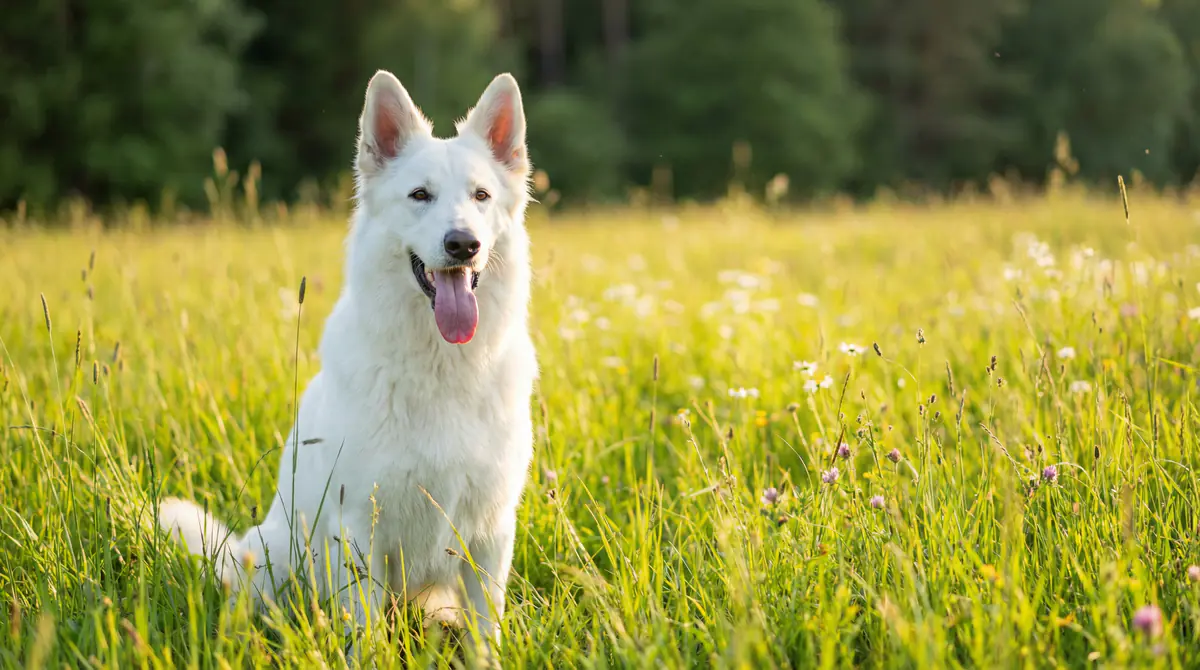
White Swiss Shepherds grow large; your veterinarian may recommend large-breed puppy nutrition for steady growth. Read the calculator as a months-long trend, not one weigh-in versus random internet dogs.
Coat lies about weight; hands-on rib checks and standing photos monthly keep mud and fluff from hiding drift.
When vertical growth eases, treat drift climbs if exercise drops but appetite does not—gentle reputation does not mean low calorie needs.
Sensitivity and sound reactivity appear in some lines; lower intensity and increase distance when arousal spikes—flooding builds panic, not confidence.
They train enthusiastically; measured meals keep smarts from becoming roundness.
Teen regression is normal; shorten criteria, pay more for basics, involve qualified trainers early if fear barking escalates.
A fase de filhote não é um único estágio. É uma pilha de problemas e vitórias diferentes. Use isto como uma linha do tempo, não como um manual rígido.
Routine, confidence, gentle handling.
Skills before adolescence.
Joint care + consistency.
Strength without bulk chasing.
Selecionamos estes produtos para ajudar você a cuidar melhor do seu cão no dia a dia—do sono a passeios mais seguros, alimentação mais fácil e uma casa bem organizada. Cada espaço foi reduzido a opções bem avaliadas que combinam com o porte e a fase do seu cão.
Alimentação, exercício, adestramento, organização da casa e prevenção. Cada bloco foi escrito para quem acabou de conferir a curva de peso do filhote.
Your veterinarian may recommend large-breed puppy feeding to align calories and minerals with steady growth.
Split meals if your dog gulps; calmer post-meal minutes pair well with deep-chested breeds.
Treats are food; polite white dogs still overeat if every guest pays in sausage.
Tug with rules, retrieve on soft grass, sniff walks, and thinking work beat forced mileage on pavement while young.
Avoid repetitive high jumps and endless stairs while growth plates are open.
End if limping or if the next morning is stiff.
Teach off switch: mat, crate chill—brains need brakes, not only reps.
Socialization includes sounds and surfaces at tolerable distances.
If alarm barking spikes, reduce triggers and increase distance; rehearsing frenzy makes it default.
Rotate calm periods between training and play; overtired adolescents bark and bite harder.
White coat shows mud; towel by the door and paw rinse reduce indoor chaos.
Hips, elbows, eyes, and cardiac topics appear in herding programs; your vet personalizes screening.
Dental tolerance training while young pays off for life.
Parasite control should match your region and lifestyle.
Se estiver em dúvida, ligue para o veterinário, especialmente com filhotes. Esta lista não é completa e não cobre todas as situações. É um lembrete geral de sinais que muitas clínicas querem saber.
Informação educativa geral apenas. Não é orientação médica e não substitui exame ou plano de tratamento de um veterinário licenciado. Estimativas e dicas não diagnosticam doença nem emergências; entre em contato com seu veterinário diante de qualquer preocupação de saúde.
Gentle, loyal, and intelligent
Herding
Grande
12-14 years
18 meses
Berger Blanc Suisse
55-88 lbs
24-26" de altura
55-88 lbs
22-24" de altura
The White Swiss Shepherd (Berger Blanc Suisse) descends from white-coated herding lines related to German Shepherd ancestry, developed as a separate breed emphasizing stable temperament and versatility.
They are athletic herders; “gentle” does not mean no exercise.
Modern BBS dogs thrive on training, socialization, and clear boundaries.
A calculadora usa a idade e o peso atuais do seu filhote para estimar o tamanho adulto. Como os filhotes crescem mais rápido no início e depois desaceleram ao amadurecer, a estimativa se ajusta à fase de crescimento em que o seu Pastor branco suíço está.
Cães da raça Pastor branco suíço costumam estar perto do tamanho completo por volta dos 18 meses. Conforme o filhote envelhece e mais do crescimento já foi concluído, a estimativa costuma ficar mais confiável.
A maioria dos Pastor branco suíço adultos fica numa faixa típica de peso de 55-88 lbs. Você pode usar a calculadora com filhotes mais jovens, mas as estimativas costumam ser mais precisas depois de cerca de 12 semanas.
Compartilhe o PetCareCalc com outros tutores ou salve o link para voltar depois.
Experimente também: Calculadora de idade canina (anos de cão e anos humanos) · Quiz de raças
Adicione nossa calculadora gratuita e incorporável ao seu site.
Ainda rolando a página?
Cinco toques rápidos, um match na hora e um link para o grupo do chat. Grátis, sem cadastro.
ComeçarPrevendo o crescimento do seu Pastor branco suíço