Gráfico personalizado
Informe idade e peso para ver a trajetória única de seu cão.
Quanto meu Cão da Carolina vai crescer? Preveja o peso adulto e acompanhe o desenvolvimento do seu filhote.
Selecionamos estes produtos para ajudar você a cuidar melhor do seu cão no dia a dia—do sono a passeios mais seguros, alimentação mais fácil e uma casa bem organizada. Cada espaço foi reduzido a opções bem avaliadas que combinam com o porte e a fase do seu cão.
Caixas espaçosas
Caminhas confortáveis
Peitorais prontos para passeio
Comedouros lentos
Carolina Dog puppies are American “dingo-type” dogs: smart, reserved, and bonded to family. Your growth chart pairs with patient socialization, honest exercise, and training that earns trust before independence becomes aloofness.
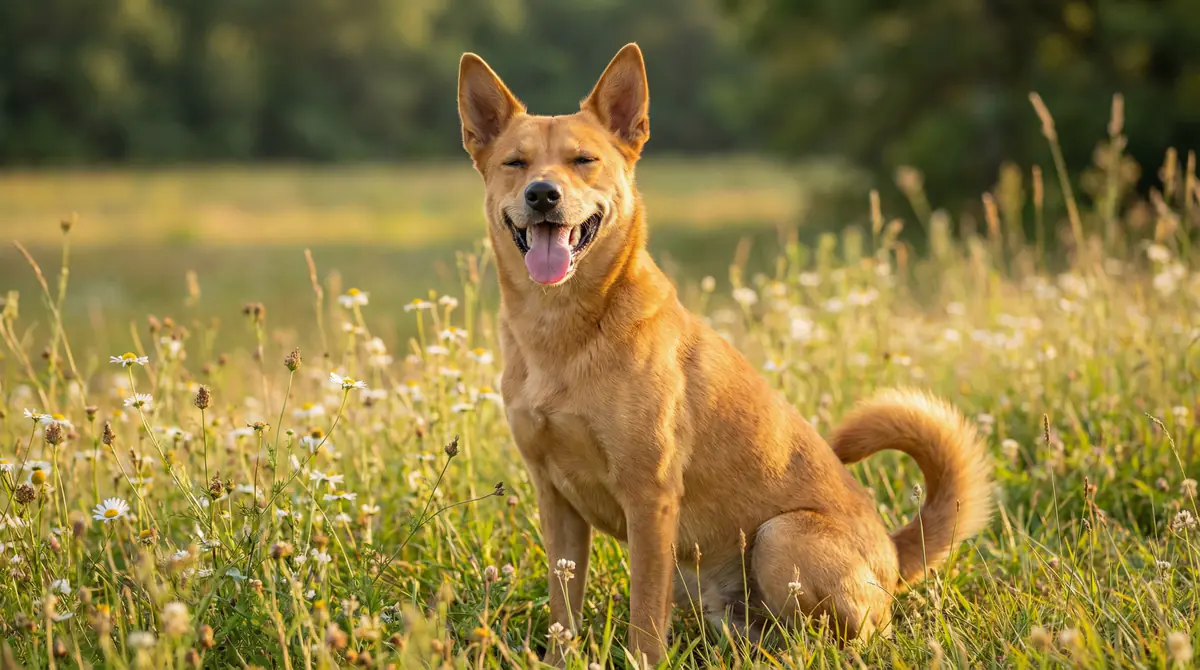
Carolina Dogs are medium, athletic landrace dogs; the calculator reflects breed averages while individual lines still vary. Muscle and season change how weight “looks”—pair the chart with rib feel, waist photos, and your veterinarian’s take on condition.
The short coat is relatively honest; still weigh every few weeks on the same scale so drift shows up as a line, not a guess.
When growth slows, shorter walks and generous treats bend the curve before the mirror says anything—log both honestly.
Reserve with strangers is a breed tendency; socialization should be thoughtful—novelty at a distance that keeps curiosity, not forced petting from every passerby.
They learn when trust is solid; measured meals keep you honest when “one more treat for bravery” stacks up.
Teen testing is normal; shorten sessions, raise reward rate, and revisit leash basics instead of escalating corrections.
A fase de filhote não é um único estágio. É uma pilha de problemas e vitórias diferentes. Use isto como uma linha do tempo, não como um manual rígido.
Routine, gentle handling, calm exposure.
Skills before fear hardens.
Exercise + clarity.
Partnership matures.
Selecionamos estes produtos para ajudar você a cuidar melhor do seu cão no dia a dia—do sono a passeios mais seguros, alimentação mais fácil e uma casa bem organizada. Cada espaço foi reduzido a opções bem avaliadas que combinam com o porte e a fase do seu cão.
Alimentação, exercício, adestramento, organização da casa e prevenção. Cada bloco foi escrito para quem acabou de conferir a curva de peso do filhote.
Your veterinarian should set starting calories and adjust to your puppy’s trend; athletic dogs need structure, not grazing guesswork.
Measured meals make training and appetite changes legible when life gets busy.
Transition diets over about a week unless your vet directs otherwise; gut upset hides whether portions fit.
Consistent daily movement—walks, sniffing, and age-appropriate play—beats weekend warrior spikes that leave Monday sore.
Heat planning: water, shade, and shorter sessions in warm weather.
End before overtired mouthiness; tired dogs make poor training partners.
Gentle consistency builds trust; harsh corrections often deepen suspicion in reserved breeds.
Socialization is pairing and distance—positive associations at tolerable intensity.
Teach mat or place so “off” is a trained skill, not luck.
Secure fencing and latches; bright dogs test weaknesses when bored.
Rotate enrichment—chews, puzzles, training—to replace digging and vocalizing hobbies.
Hips and eyes appear in breed education; your vet personalizes exams and screening timing.
Dental tolerance training while young pays off for life.
Parasite control should match ticks, heartworm risk, and travel in your area.
Se estiver em dúvida, ligue para o veterinário, especialmente com filhotes. Esta lista não é completa e não cobre todas as situações. É um lembrete geral de sinais que muitas clínicas querem saber.
Informação educativa geral apenas. Não é orientação médica e não substitui exame ou plano de tratamento de um veterinário licenciado. Estimativas e dicas não diagnosticam doença nem emergências; entre em contato com seu veterinário diante de qualquer preocupação de saúde.
Loyal, independent, and gentle
Hound
Médio
12-15 years
15 meses
30-44 lbs
17-24" de altura
30-44 lbs
17-24" de altura
Carolina Dogs are a landrace breed associated with the southeastern United States, shaped by free-living and semi-wild survival before formal breeding programs documented consistent type.
They are often cautious with strangers; forced greetings backfire.
Modern Carolina Dogs fit active homes that respect their instincts; bored dogs roam, dig, and vocalize.
A calculadora usa a idade e o peso atuais do seu filhote para estimar o tamanho adulto. Como os filhotes crescem mais rápido no início e depois desaceleram ao amadurecer, a estimativa se ajusta à fase de crescimento em que o seu Cão da Carolina está.
Cães da raça Cão da Carolina costumam estar perto do tamanho completo por volta dos 15 meses. Conforme o filhote envelhece e mais do crescimento já foi concluído, a estimativa costuma ficar mais confiável.
A maioria dos Cão da Carolina adultos fica numa faixa típica de peso de 30-44 lbs. Você pode usar a calculadora com filhotes mais jovens, mas as estimativas costumam ser mais precisas depois de cerca de 12 semanas.
Compartilhe o PetCareCalc com outros tutores ou salve o link para voltar depois.
Experimente também: Calculadora de idade canina (anos de cão e anos humanos) · Quiz de raças
Adicione nossa calculadora gratuita e incorporável ao seu site.
Ainda rolando a página?
Cinco toques rápidos, um match na hora e um link para o grupo do chat. Grátis, sem cadastro.
ComeçarPrevendo o crescimento do seu Cão da Carolina