Gráfico personalizado
Informe idade e peso para ver a trajetória única de seu cão.
Quanto meu Pit bull terrier americano vai crescer? Preveja o peso adulto e acompanhe o desenvolvimento do seu filhote.
Selecionamos estes produtos para ajudar você a cuidar melhor do seu cão no dia a dia—do sono a passeios mais seguros, alimentação mais fácil e uma casa bem organizada. Cada espaço foi reduzido a opções bem avaliadas que combinam com o porte e a fase do seu cão.
Caixas espaçosas
Caminhas confortáveis
Peitorais prontos para passeio
Comedouros lentos
American Pit Bull Terrier puppies are athletic, people-focused terriers with strength to spare. Your growth chart pairs with consistent training, leash manners, and outlets that channel drive into skills—so your dog becomes a community-safe ambassador, not a statistic.
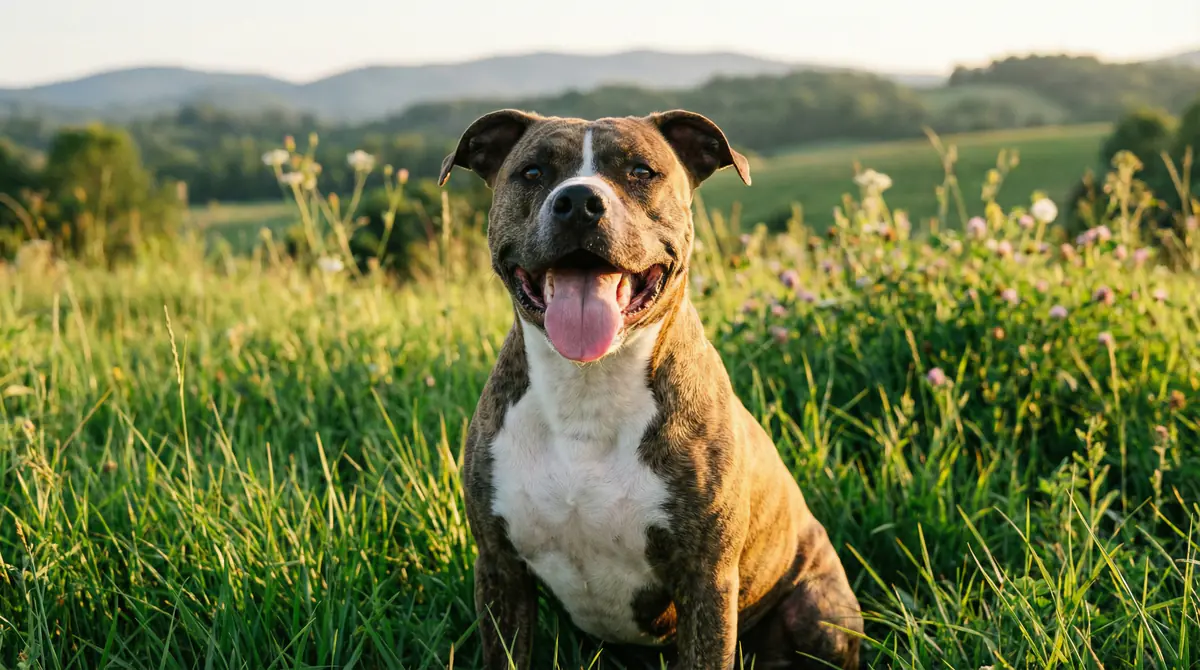
American Pit Bull Terriers are medium, dense athletes; muscle shifts the scale while your veterinarian confirms condition. Read the chart as a trend across weeks, not a panic after one heavy leg day at the park.
Short coat shows weight trends honestly; still weigh and photo every few weeks so drift does not sneak in behind “he looks fit.”
When growth slows, treat drift climbs fast if training treats, marrow bones, and table scraps stay generous.
They often love people; leash skills still prevent rude greetings that frighten strangers or trigger leash reactivity.
Dog-dog selectivity can appear in adolescence; manage interactions with distance, matched playmates, and professional input before problems rehearse.
Teen regression is normal; simplify criteria, shorten sessions, and pay more for basics.
A fase de filhote não é um único estágio. É uma pilha de problemas e vitórias diferentes. Use isto como uma linha do tempo, não como um manual rígido.
Routine, trade games, gentle exposure.
Leash skills before adolescent power wins.
Channel drive; protect joints.
Athlete maturity.
Selecionamos estes produtos para ajudar você a cuidar melhor do seu cão no dia a dia—do sono a passeios mais seguros, alimentação mais fácil e uma casa bem organizada. Cada espaço foi reduzido a opções bem avaliadas que combinam com o porte e a fase do seu cão.
Alimentação, exercício, adestramento, organização da casa e prevenção. Cada bloco foi escrito para quem acabou de conferir a curva de peso do filhote.
Your veterinarian sets calories for steady growth; dense terriers need enough fuel for training without thickening the waist.
Measured meals keep reinforcement honest—you are not buying focus with hidden second dinners.
Transition foods over ~7 days unless your vet directs otherwise.
Brisk walks, play, sniffing, and thinking work beat mindless ball chucking alone; tired brain beats tired jaws.
End before overtired mouthiness or manic play on slick floors.
Heat planning; muscle plus enthusiasm stacks risk quickly.
Teach calm greetings and door manners early; enthusiasm is cute until it knocks grandma over.
Socialization is pairing and distance; sub-threshold wins beat chaotic dog-park stacking.
If arousal spikes around dogs, lower difficulty, add distance, and get qualified help before rehearsals harden.
Rotate tough chews and food puzzles so jaws and brains both work.
Secure trash; sporting noses open cabinets and bins fast.
Hips, skin allergies, and cardiac topics appear in breed conversations; your vet personalizes screening and itch plans.
Dental tolerance training while young pays off for life.
Parasite control should match your region and lifestyle.
Se estiver em dúvida, ligue para o veterinário, especialmente com filhotes. Esta lista não é completa e não cobre todas as situações. É um lembrete geral de sinais que muitas clínicas querem saber.
Informação educativa geral apenas. Não é orientação médica e não substitui exame ou plano de tratamento de um veterinário licenciado. Estimativas e dicas não diagnosticam doença nem emergências; entre em contato com seu veterinário diante de qualquer preocupação de saúde.
Strong, confident, and athletic companion
Terrier
Médio
12-16 years
15 meses
Pit Bull, APBT, Pitbull, Blue Nose Pitbull, Red Nose Pitbull
35-65 lbs
18-21" de altura
30-50 lbs
17-20" de altura
The APBT descends from British bull-and-terrier types brought to America, where breeders selected for athleticism, tenacity, and handler loyalty in working and companion roles.
They are strong terriers; “friendly” does not mean “no training.”
Breed-specific laws and housing rules vary; know your local requirements early.
A calculadora usa a idade e o peso atuais do seu filhote para estimar o tamanho adulto. Como os filhotes crescem mais rápido no início e depois desaceleram ao amadurecer, a estimativa se ajusta à fase de crescimento em que o seu Pit bull terrier americano está.
Cães da raça Pit bull terrier americano costumam estar perto do tamanho completo por volta dos 15 meses. Conforme o filhote envelhece e mais do crescimento já foi concluído, a estimativa costuma ficar mais confiável.
A maioria dos Pit bull terrier americano adultos fica numa faixa típica de peso de 30-65 lbs. Você pode usar a calculadora com filhotes mais jovens, mas as estimativas costumam ser mais precisas depois de cerca de 12 semanas.
Compartilhe o PetCareCalc com outros tutores ou salve o link para voltar depois.
Experimente também: Calculadora de idade canina (anos de cão e anos humanos) · Quiz de raças
Adicione nossa calculadora gratuita e incorporável ao seu site.
Ainda rolando a página?
Cinco toques rápidos, um match na hora e um link para o grupo do chat. Grátis, sem cadastro.
ComeçarPrevendo o crescimento do seu Pit bull terrier americano