Gráfico personalizado
Introduce edad y peso para ver la trayectoria de crecimiento de tu perro.
¿Cuánto crecerá mi Mastín inglés? Estima el peso adulto y sigue el desarrollo de tu cachorro.
Elegimos estas categorías para el día a día: descanso, paseos más cómodos, comidas sin líos y un hogar que encaje con tu situación. En cada hueco priorizamos artículos muy valorados que tienen sentido con la talla y la etapa de tu perro.
Transportines amplios
Camas cómodas
Arneses listos para salir
Comederos anti-glutonismo
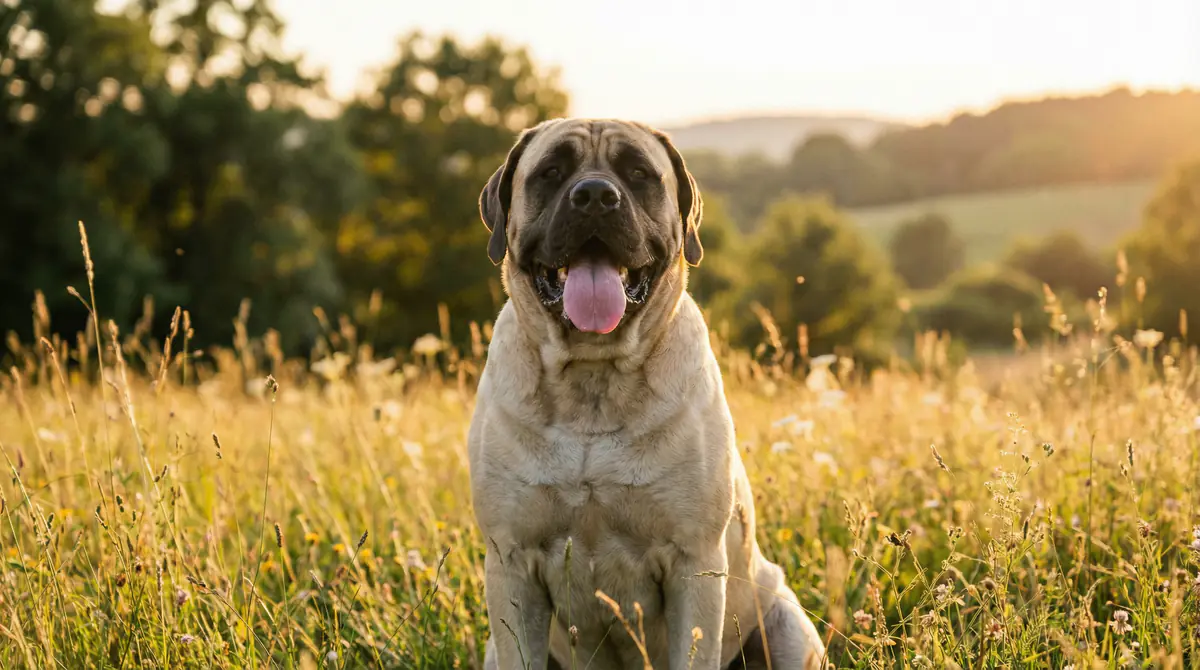
Mastiff puppies are giant precocious: huge paws, soft hearts, and joints that need slow steady growth. Your chart is useful only next to giant-breed feeding talks with your vet, honest body-condition checks, and patience while maturity arrives late.
Mastiffs should not be fed to maximize speed of growth. Your veterinarian helps you aim for steady—not racing—gain, with calories and minerals matched to a giant frame; the calculator is a trend line across weeks, not a target to “hit” with extra scoops.
Weekly changes can look dramatic on the scale; log date, time of day, and same scale so your vet sees curves, not vibes. Teens often look gangly before they fill out; compare condition over time, not to a random dog online.
If your pup looks round or “roly poly,” assume portion or treat drift until proven otherwise—guests love feeding Mastiffs, and polite giants still overeat. Ask before adding calories or DIY supplements.
Limping, bunny-hopping, or reluctance to rise in a giant puppy warrants a prompt veterinary call; “walking it off” is a bad bet on heavy, fast-growing bone.
Bloat (GDV) awareness belongs in every deep-chested home: learn painful swollen belly, unproductive retching, and restless pacing, and know your emergency route.
Heat and humidity hit giants hard; favor cooler walk windows, water, shade, and shorter outings before distress panting. Cold and ice need limits too—slips and sore paws scale with weight.
La etapa de cachorro no es una sola fase: es una pila de retos y victorias distintas. Úsalo como línea temporal, no como reglamento rígido.
Routine, sleep, potty, and gentle handling before size makes habits expensive.
Leash and manners before adolescent strength wins every argument.
Joint care under real weight; training and calories both need honesty.
Many Mastiffs mature slowly; nerve and body fill on a longer timeline than small breeds.
Elegimos estas categorías para el día a día: descanso, paseos más cómodos, comidas sin líos y un hogar que encaje con tu situación. En cada hueco priorizamos artículos muy valorados que tienen sentido con la talla y la etapa de tu perro.
Alimentación, ejercicio, adiestramiento, rutina en casa y prevención. Cada bloque va dirigido a quien acaba de mirar la curva de peso de su cachorro.
Your veterinarian should guide giant- or large-breed puppy food choice and portions so growth stays steady rather than spiked.
Multiple smaller meals often beat one huge bowl; discuss meal timing and gulping with your vet as part of bloat-risk reduction—not internet folklore alone.
Treats must be planned; Mastiffs train easily with food and can overeat politely while looking “hungry.”
Free play on soft grass or forgiving surfaces beats forced mileage while bones and tendons mature.
End sessions before overtired mouthiness; giant puppies turn into bitey, heavy sharks when exhausted.
Plan for both heat and cold—shorten outings, add traction indoors, and avoid ice and salt pain when possible.
Polite greetings are a safety issue before adult mass; teach calm sits before doors open and before petting.
Teach mat, crate chill, and calm praise so the house has an off-switch between excitement.
Socialization means novelty at comfortable distances; sub-threshold wins beat flooding that rehearses suspicion.
Bedding that supports joints and non-slip paths reduce strain; slick tile plus adolescent enthusiasm equals injury risk.
Elevated bowls only if your vet recommends them for your individual dog; defaults vary by clinic and study.
Frequent vet touchpoints are normal for giant puppies; growth and orthopedic questions belong in clinic, not only in group chats.
Discuss screening topics your breeder raised—hips, elbows, cardiac watch items—your vet personalizes timing and follow-up.
Dental tolerance training early pays off when adult mouths are massive.
Si tienes dudas, llama a tu veterinario, sobre todo con cachorros. Esta lista no es exhaustiva ni cubre todas las situaciones: es un recordatorio general de señales que muchas clínicas quieren conocer.
Información educativa general únicamente. No es consejo médico ni sustituye la exploración ni el plan de un veterinario colegiado. Las estimaciones y recomendaciones no diagnostican enfermedad ni urgencias; ante cualquier problema de salud, contacta con tu clínica.
Courageous, dignified, and good-natured
Working
Gigante
6-10 years
24 meses
English Mastiff
120-230 lb
30" de altura
120-230 lb
27.5" de altura
Mastiff type dogs appear across ancient cultures as guardians and war dogs. The English Mastiff became the massive, mellow estate guardian known for courage and calm with family.
Their job was presence and protection more than endless running.
Modern Mastiffs are companions first. History explains protectiveness and sheer mass; it also explains why rushing growth or skipping vet guidance is risky.
La calculadora toma la edad y el peso actuales de tu cachorro para estimar el tamaño adulto. Como los cachorros crecen más rápido al principio y luego se desaceleran, la estimación se adapta a la fase de crecimiento en la que está tu Mastín inglés.
Con la raza Mastín inglés, lo habitual es estar casi en el tamaño adulto hacia los 24 meses. A medida que tu cachorro es mayor y ya ha completado más crecimiento, la estimación suele volverse más fiable.
La mayoría de los Mastín inglés adultos se sitúan en un rango típico de 120-230 lb. Puedes usar la calculadora con cachorros muy jóvenes, pero las estimaciones suelen ser más precisas a partir de unas 12 semanas.
Respuestas directas sobre talla, crecimiento, alimentación y cómo usar esta calculadora junto a tu veterinario.
English Mastiffs are true giants—adults are often quoted around 120–230 lb, with males frequently larger than females (your breed profile lists about 30" males and 27.5" females). Growth should be steady, not rushed; never feed extra to “speed up” size. Your own dated log helps read the curve better than memory.
Giant breeds mature slowly—your breed data uses a long growth window, and many Mastiffs are still filling out toward roughly two to three years. Weekly weight changes can look dramatic; logging dates turns drama into data. If your puppy looks roly-poly, re-check scoop size and treat logs before you assume the food is wrong.
Choose a giant- or large-breed puppy food and follow the label for your pup’s current weight; growth should look steady, not racing. Multiple smaller meals per day often beat one huge bowl, and many households keep the first minutes after eating calmer than sprint play. Skip DIY mineral stacks unless a feeding plan explicitly calls for them.
Favor free play on soft ground and calm water introduction as confidence grows over forced running on pavement while young. Heat hits giants hard; plan water, shade, and timing. If movement looks uneven after hard play, stack easy days before the next big outing. Polite greetings matter before adult mass arrives.
Use a scale that can handle your pup as they grow; monthly standing photos track condition under all that coat. Lean adults usually move and rest easier on big frames. Use rugs for traction at home and teach calm vehicle loading early—letting giant puppies leap off tailgates becomes a bad habit fast.
Comparte PetCareCalc con otras personas con mascota o guarda el enlace para volver cuando quieras.
Prueba también: Calculadora de edad canina (años caninos y humanos) · Test de razas
Añade gratis nuestra calculadora incrustable a tu web.
¿Sigues por aquí?
Cinco toques rápidos, una recomendación instantánea y un enlace para compartir. Gratis, sin registro.
EmpezarEstimando el crecimiento de tu Mastín inglés