Gráfico personalizado
Introduce edad y peso para ver la trayectoria de crecimiento de tu perro.
¿Cuánto crecerá mi Hamiltonstovare? Estima el peso adulto y sigue el desarrollo de tu cachorro.
Elegimos estas categorías para el día a día: descanso, paseos más cómodos, comidas sin líos y un hogar que encaje con tu situación. En cada hueco priorizamos artículos muy valorados que tienen sentido con la talla y la etapa de tu perro.
Transportines amplios
Camas cómodas
Arneses listos para salir
Comederos anti-glutonismo
Hamiltonstovare puppies are Swedish scenthounds with a tricolor jacket and steady pace. Your growth chart pairs with lean condition honesty, leash realism, and training that respects a nose-first dog.
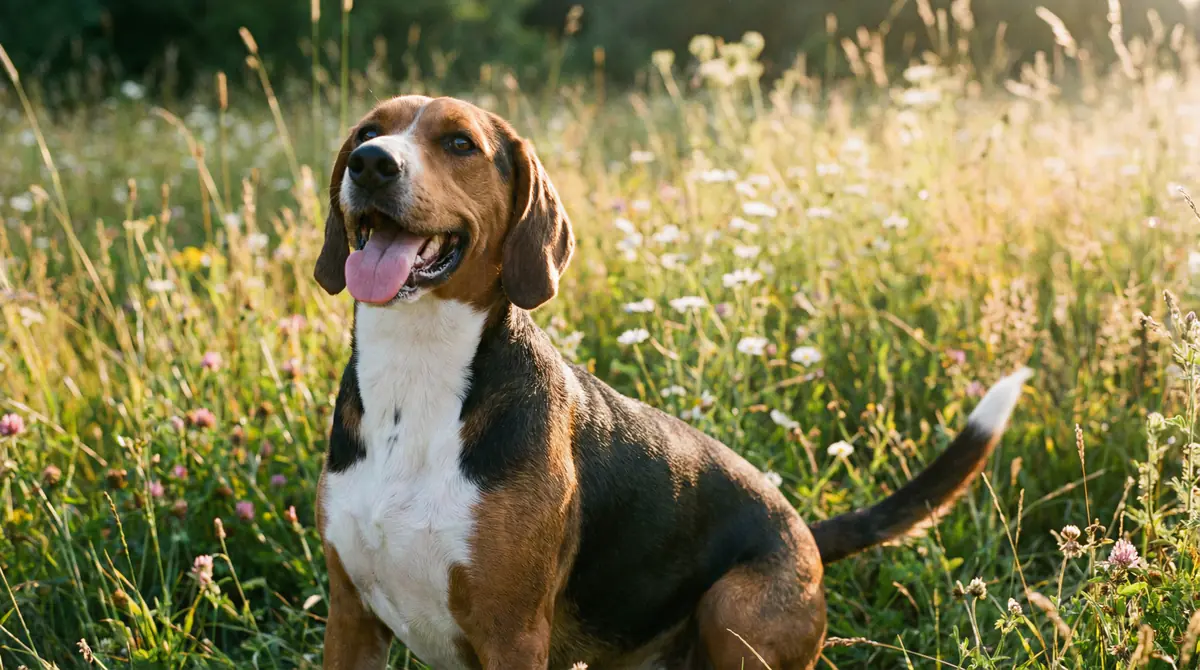
Hamiltons often look lean; your veterinarian separates healthy athlete from underfed.
Weekly gains wobble; monthly trend beats one odd weigh-in or post-hike dehydration.
When growth eases, treat drift shows if walks shorten but bowls and training treats do not.
Drop ears need routine checks; learn normal smell versus urgent—head tilt, odor, pawing.
Recall on long line for life; prey and chase interest is real.
Teen listening dips are normal; simplify criteria, raise pay rate, end on wins.
La etapa de cachorro no es una sola fase: es una pila de retos y victorias distintas. Úsalo como línea temporal, no como reglamento rígido.
Routine, gentle handling, calm exposure.
Leash skills before adolescent strength.
Mental work + endurance build.
Stamina matures.
Elegimos estas categorías para el día a día: descanso, paseos más cómodos, comidas sin líos y un hogar que encaje con tu situación. En cada hueco priorizamos artículos muy valorados que tienen sentido con la talla y la etapa de tu perro.
Alimentación, ejercicio, adiestramiento, rutina en casa y prevención. Cada bloque va dirigido a quien acaba de mirar la curva de peso de su cachorro.
Your veterinarian picks puppy nutrition for steady growth on a deep-chested frame.
Measured meals make hound training honest.
Transition foods over ~7 days unless your vet directs otherwise.
Sniff walks beat empty miles; bored hounds get vocal and creative.
End before overtired mouthiness or frantic pulling.
Heat planning; pause before distress panting.
Patience and high-value rewards beat nagging; selective hearing is a taught skill.
Socialization is pairing and distance; calm novelty beats chaotic stacking.
Teach calm default behaviors between scent adventures.
Secure fencing and latches; scenthounds follow odor off property.
Neighbor plan for voice: predict peak bark times and add outlets.
Hips and eyes appear in hound conversations; your vet personalizes screening.
Dental tolerance training while young pays off for life.
Parasite control should match your region and woodland exposure.
Si tienes dudas, llama a tu veterinario, sobre todo con cachorros. Esta lista no es exhaustiva ni cubre todas las situaciones: es un recordatorio general de señales que muchas clínicas quieren conocer.
Información educativa general únicamente. No es consejo médico ni sustituye la exploración ni el plan de un veterinario colegiado. Las estimaciones y recomendaciones no diagnostican enfermedad ni urgencias; ante cualquier problema de salud, contacta con tu clínica.
Friendly, alert, and active
Hound
Mediano
10-13 years
15 meses
40-60 lb
21-24" de altura
40-60 lb
18-22" de altura
Hamiltonstovare were developed in Sweden as versatile hounds for hare and fox hunting in forest and field, bred for endurance, voice, and a calm household temperament relative to many hounds.
They are still hounds; off-leash near deer is a training and ethics question.
Rare in some regions; find mentors who know the breed’s exercise truth.
La calculadora toma la edad y el peso actuales de tu cachorro para estimar el tamaño adulto. Como los cachorros crecen más rápido al principio y luego se desaceleran, la estimación se adapta a la fase de crecimiento en la que está tu Hamiltonstovare.
Con la raza Hamiltonstovare, lo habitual es estar casi en el tamaño adulto hacia los 15 meses. A medida que tu cachorro es mayor y ya ha completado más crecimiento, la estimación suele volverse más fiable.
La mayoría de los Hamiltonstovare adultos se sitúan en un rango típico de 40-60 lb. Puedes usar la calculadora con cachorros muy jóvenes, pero las estimaciones suelen ser más precisas a partir de unas 12 semanas.
Comparte PetCareCalc con otras personas con mascota o guarda el enlace para volver cuando quieras.
Prueba también: Calculadora de edad canina (años caninos y humanos) · Test de razas
Añade gratis nuestra calculadora incrustable a tu web.
¿Sigues por aquí?
Cinco toques rápidos, una recomendación instantánea y un enlace para compartir. Gratis, sin registro.
EmpezarEstimando el crecimiento de tu Hamiltonstovare