Gráfico personalizado
Introduce edad y peso para ver la trayectoria de crecimiento de tu perro.
¿Cuánto crecerá mi Border collie? Estima el peso adulto y sigue el desarrollo de tu cachorro.
Elegimos estas categorías para el día a día: descanso, paseos más cómodos, comidas sin líos y un hogar que encaje con tu situación. En cada hueco priorizamos artículos muy valorados que tienen sentido con la talla y la etapa de tu perro.
Transportines amplios
Camas cómodas
Arneses listos para salir
Comederos anti-glutonismo
Border Collie puppies are genius athletes who notice everything. Your growth chart belongs next to mental exercise, careful socialization, and joint care so obsession does not become injury.
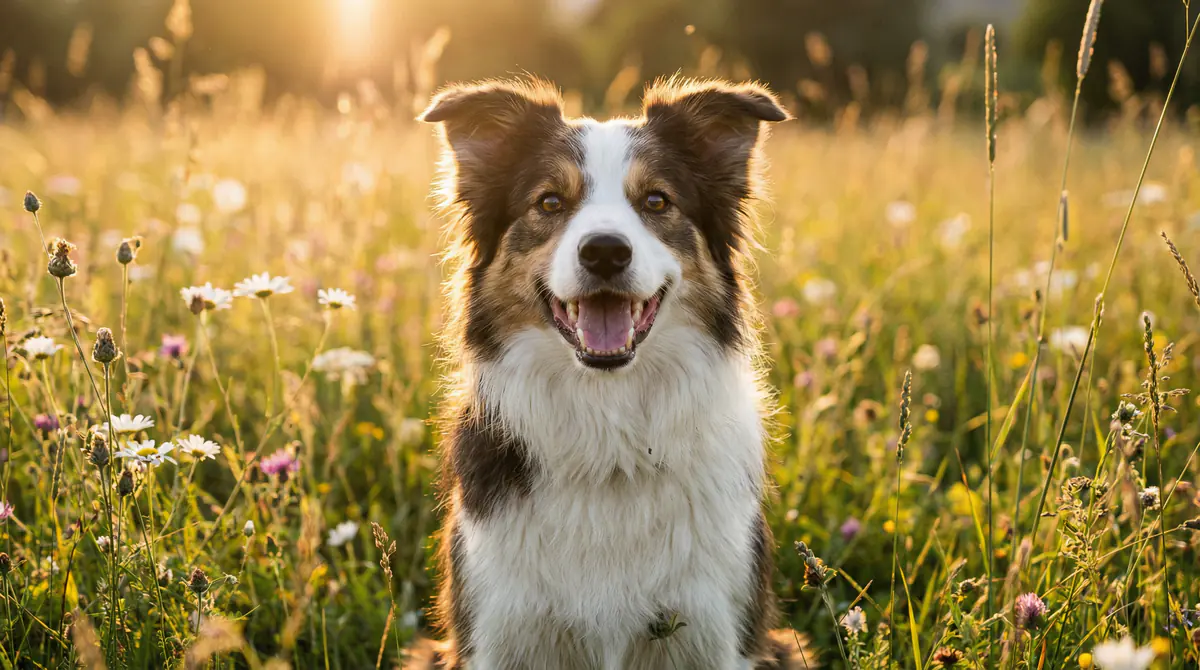
Border Collies vary by line: some smaller and intense, some larger; compare to parents when possible.
Lean athlete condition is normal; obesity is hard on joints and focus.
Weekly weigh wobbles happen; monthly direction matters.
Sudden behavior change plus lethargy deserves medical rule outs, not only “bad attitude.”
OCD type behaviors can appear in high drive breeds; early professional help matters.
Heat and rough play both need limits while growing.
La etapa de cachorro no es una sola fase: es una pila de retos y victorias distintas. Úsalo como línea temporal, no como reglamento rígido.
Routine, sleep, potty, gentle novelty.
Impulse control before adolescence.
Brain games beat brute mileage.
Channel drive into sports or hobbies.
Elegimos estas categorías para el día a día: descanso, paseos más cómodos, comidas sin líos y un hogar que encaje con tu situación. En cada hueco priorizamos artículos muy valorados que tienen sentido con la talla y la etapa de tu perro.
Alimentación, ejercicio, adiestramiento, rutina en casa y prevención. Cada bloque va dirigido a quien acaba de mirar la curva de peso de su cachorro.
Quality diet for growth; your vet picks category.
Measured meals; high drive dogs train constantly.
Slow transitions.
Physical plus mental; sniffing counts.
Off leash only in safe fenced spaces until recall is solid.
Growing dogs are not adult agility dogs yet.
Teach off switch: mat, crate chill, calm praise.
If herding kids or dogs, redirect and add management.
Punishment for arousal often worsens behavior; train alternatives.
Rotate calm periods; overstimulated collies spin.
Management: gates, crates, leashes.
Vaccines and parasites per your vet.
Discuss inherited topics your breeder screened.
Dental tolerance training.
Si tienes dudas, llama a tu veterinario, sobre todo con cachorros. Esta lista no es exhaustiva ni cubre todas las situaciones: es un recordatorio general de señales que muchas clínicas quieren conocer.
Información educativa general únicamente. No es consejo médico ni sustituye la exploración ni el plan de un veterinario colegiado. Las estimaciones y recomendaciones no diagnostican enfermedad ni urgencias; ante cualquier problema de salud, contacta con tu clínica.
Affectionate, smart, and energetic
Herding
Mediano
12-15 years
15 meses
30-55 lb
19-22" de altura
30-55 lb
18-21" de altura
Border Collies were shaped on the Anglo Scottish border for sheep work that demanded intense focus, stamina, and biddability. Eye, crouch, and burst became breed signatures.
They became the benchmark herding dog worldwide and stars in dog sports.
Pet Border Collies carry that wiring into living rooms. History explains motion sensitivity, sound sensitivity in some lines, and the need for ethical outlets before the dog invents bad ones.
La calculadora toma la edad y el peso actuales de tu cachorro para estimar el tamaño adulto. Como los cachorros crecen más rápido al principio y luego se desaceleran, la estimación se adapta a la fase de crecimiento en la que está tu Border collie.
Con la raza Border collie, lo habitual es estar casi en el tamaño adulto hacia los 15 meses. A medida que tu cachorro es mayor y ya ha completado más crecimiento, la estimación suele volverse más fiable.
La mayoría de los Border collie adultos se sitúan en un rango típico de 30-55 lb. Puedes usar la calculadora con cachorros muy jóvenes, pero las estimaciones suelen ser más precisas a partir de unas 12 semanas.
Respuestas directas sobre talla, crecimiento, alimentación y cómo usar esta calculadora junto a tu veterinario.
Adult Border Collies are often quoted around 30–55 lb, with a lot of variation by line—some dogs run smaller and intense, others larger and broader. Compare to parents when possible. Lean athlete condition is typical; extra weight makes long training days feel heavier than they need to.
Many approach much of their frame by roughly 12–15 months, but adolescence can test every skill you thought was finished. Weekly scale wobbles happen; monthly trends matter. Watch calories as growth slows—they learn at light speed for food, so treat budgets are essential.
They were bred for intense visual focus and herding movement. Chasing is instinct, not disobedience—redirect to toys, add management (leashes, gates), and get qualified help early if fixation or car chasing starts. Punishing arousal alone often backfires; train alternatives and meet exercise needs.
Physical plus mental: sniffing, tricks, and obedience games count as real work. Growing dogs are not adult agility dogs yet—pause repetitive high jumping until your pup looks coordinated, not gangly. Off-leash only in safe fenced areas until recall is solid.
Log weights and take monthly photos; if energy tanks for many days while food stayed the same, compare sleep, stress, and treat logs before you blame “teen attitude.” Socialize and introduce sounds at low volume with distance that keeps confidence. Ask your breeder what drive level and size they expect from your line so the chart has context.
Comparte PetCareCalc con otras personas con mascota o guarda el enlace para volver cuando quieras.
Prueba también: Calculadora de edad canina (años caninos y humanos) · Test de razas
Añade gratis nuestra calculadora incrustable a tu web.
¿Sigues por aquí?
Cinco toques rápidos, una recomendación instantánea y un enlace para compartir. Gratis, sin registro.
EmpezarEstimando el crecimiento de tu Border collie